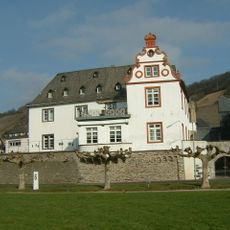
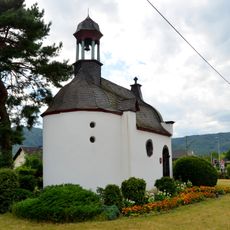
Venus of Andernach, Stone age sculptures at Martinsberg, Germany
The Venus of Andernach is a collection of about two dozen small female stone figurines discovered at the Martinsberg site in Germany. The pieces range from just a few centimeters to about 20 centimeters in height and all show stylized forms without heads or feet.
This collection comes from the Magdalenian period around 13,400 years ago and represents a major body of prehistoric female artworks in Central Europe. This dating makes them among the oldest surviving examples of deliberate artistic creation in the region.
The figurines belong to the Gönnersdorf type, named after the nearby site where 16 figurines and over 400 female images engraved on slate plates were found. The same stylised form appears from Wilczyce in Poland to Church Hole in Nottinghamshire and Cueva del Linar in northern Spain, carved in ivory, antler, bone and stone. The groups who met here came from the Meuse area, the Lower Rhine and around Mainz.
The figurines are held by the State Office for Heritage Preservation in Koblenz and are available for research purposes. Access typically requires advance arrangement and is primarily available to scholars and researchers.
This collection holds more female representations than all other European sites from this time period combined, when counted together with nearby Gönnersdorf. The reason why such a high concentration of these artworks appeared in adjacent locations remains unexplained.
The community of curious travelers
AroundUs brings together thousands of curated places, local tips, and hidden gems, enriched daily by 93,613 contributors worldwide.