Park der Sinne, Sensory park in Laatzen, Germany
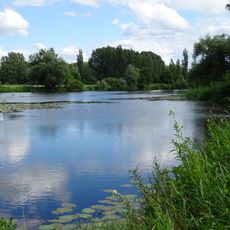
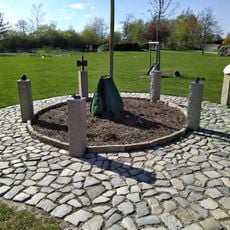
Park der Sinne is a 7-hectare landscaped space with around 30 interactive stations designed to engage visitors through natural elements and direct experiences. The layout allows people to explore using different senses as they move through the grounds.
The space was created for the World Exhibition EXPO 2000 and developed according to plans by landscape architect Hans-Joachim Adam. It was built on a former landfill site that was transformed for this project.
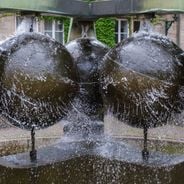
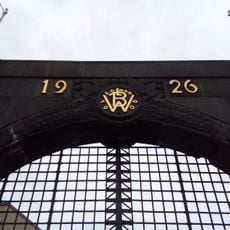
The entrance gates carry forged handles by Andreas Rimkus representing seeing, smelling, feeling and tasting. His popular Insektenauge sculpture joins two polyhedra of 76 triangular faces each, 60 fitted with concave lenses for a fish-eye view over park and city. The sandstone Sabbat-Tisch is carved with the utensils of a Sabbath table or Christian Last Supper; its chandelier was destroyed by vandalism.
The park is open daily during the day and admission is free; guided tours take place at set times and on request, starting at the Gartenhaus, which serves as the information centre. The grounds lie on a former landfill near the busy road, with an embankment of wild roses around the edge. Sturdy shoes help on the gravel and barefoot path.
One of the stations lets visitors see the world through insect eyes or hear how sound travels through different materials. These special experiments show how differently living things perceive their surroundings.
The community of curious travelers
AroundUs brings together thousands of curated places, local tips, and hidden gems, enriched daily by 92,877 contributors worldwide.