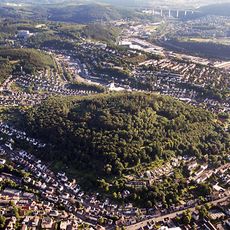
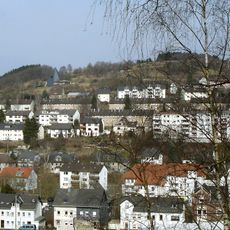
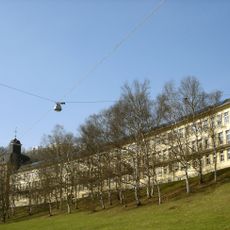
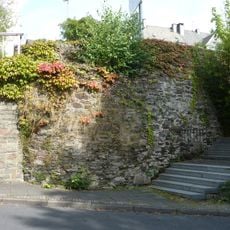
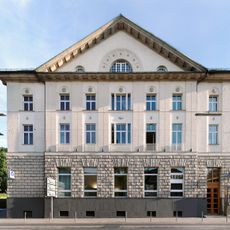
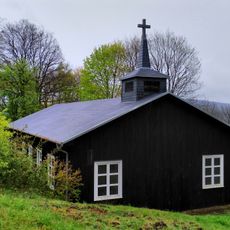
Siegener Loch, Mining sinkhole at Rosterberg, Siegen, Germany
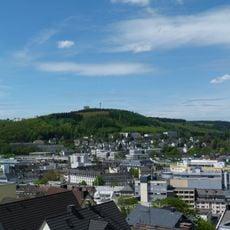
Siegener Loch is a mining sinkhole at Rosterberg that formed in February 2004 when ground subsidence created multiple craters along Gläserstraße. The collapse damaged several residential buildings in the affected area.
The sinkhole originated from cavities left by Grube Grethe mine, which extracted iron ore and copper from the 17th century until its closure in 1900. The centuries of underground mining activity eventually weakened the ground above.
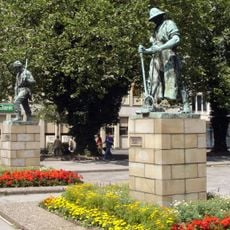
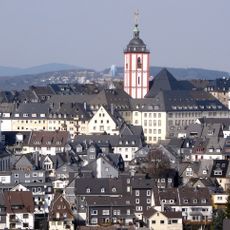
The sinkhole reflects Siegen's mining heritage, with abandoned ore mines lying beneath the district that shaped the region's identity. Locals view it as a reminder of the industrial past that built their community.
Access to the site is limited due to ongoing safety measures and restricted areas around the collapse zone. Visitors should be aware of active stabilization work in the vicinity.
Remediation work uncovered about 1.700 meters of underground tunnels, revealing the hidden labyrinth beneath the city. Clearing and stabilizing these ancient mine passages required specialized mining techniques and considerable effort.
The community of curious travelers
AroundUs brings together thousands of curated places, local tips, and hidden gems, enriched daily by 92,750 contributors worldwide.