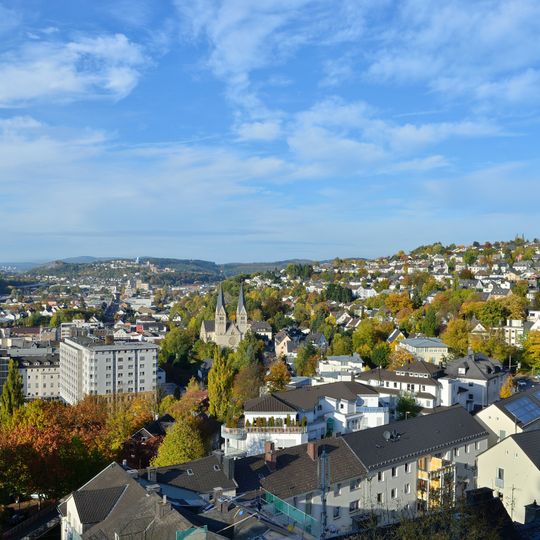
Siegen, Large district town in North Rhine-Westphalia, Germany
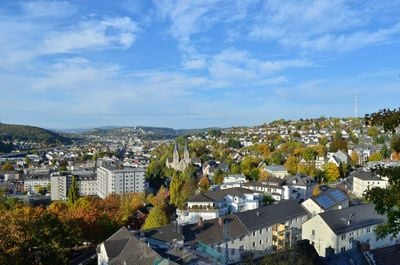
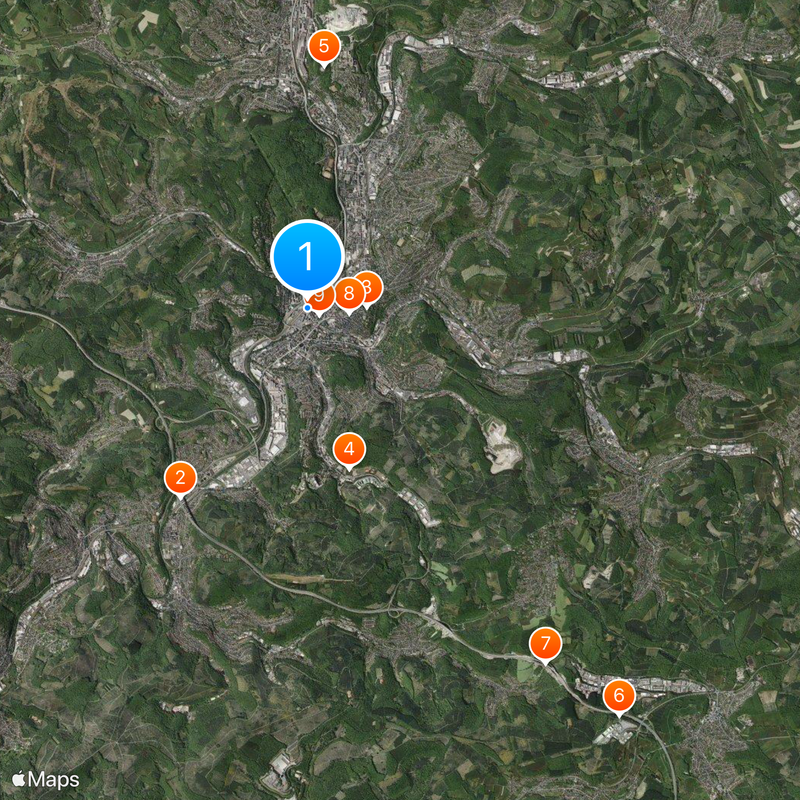
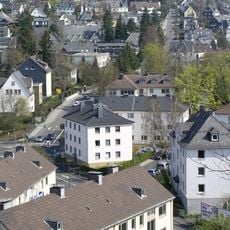
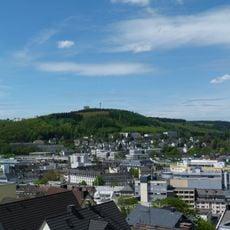
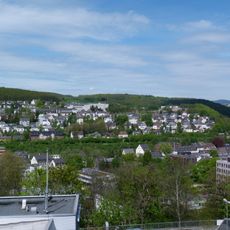
Siegen is a district capital in the southern part of North Rhine-Westphalia that spreads over several forested hills and follows the course of the Sieg river. The neighborhoods sit at different elevations, connected by winding roads and bridges, with parks and woodlands running between residential areas.
The settlement received town rights in 1224 and grew quickly as a center for iron ore extraction in the region. During the 20th century, the economy shifted from mining to services and research, with a university founded in 1972.
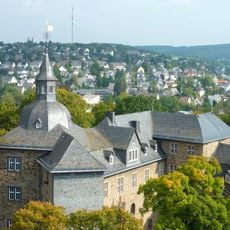
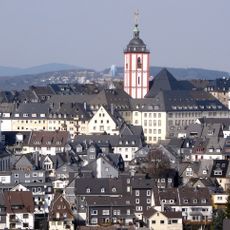
The Upper Town sits on a hillside with its towering castle, while the Lower Town spreads through the valley where people walk along the riverside paths. On weekday afternoons, you often see locals at the markets selling regional produce and handmade goods near the central squares.
The main train station in the town center offers connections in all directions, and local buses run regularly to neighborhoods in the hills. Walking through the downtown area works well, though visitors should expect some inclines when heading to higher districts.
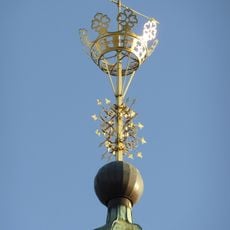
The crown-shaped tower at the Upper Castle displays a golden crown at its peak, lit at night and visible from many parts of town. The university library holds a rare collection of historical mining maps documenting the network of tunnels beneath parts of the area.
The community of curious travelers
AroundUs brings together thousands of curated places, local tips, and hidden gems, enriched daily by 91,942 contributors worldwide.