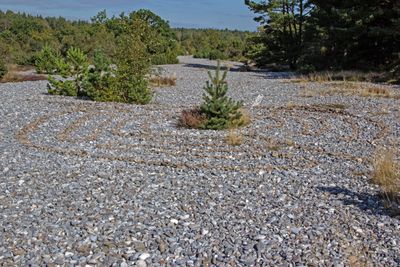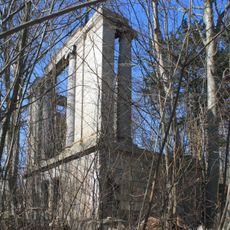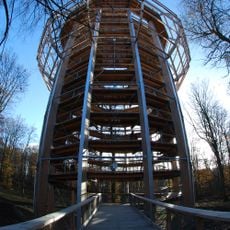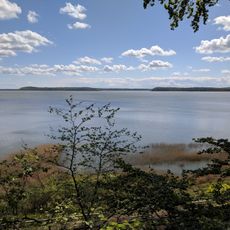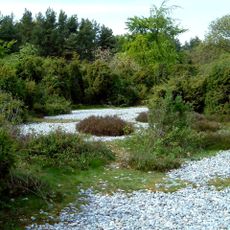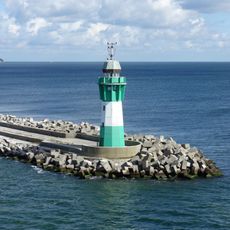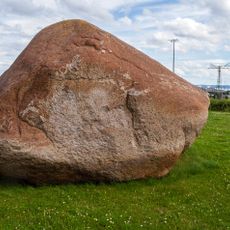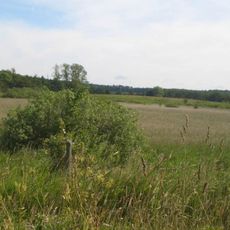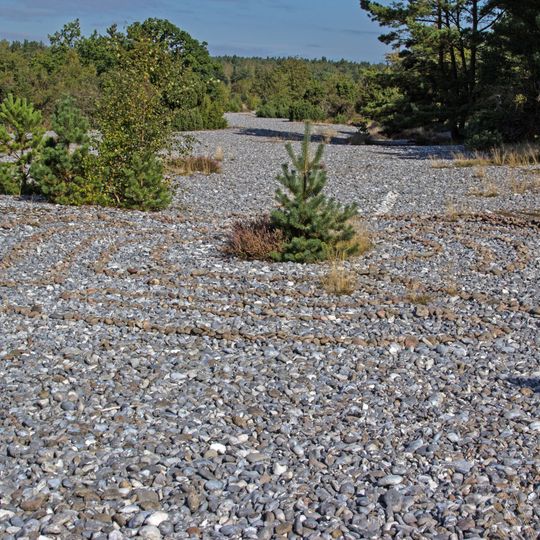
Flint fields, Natural flint deposit in Vorpommern-Rügen, Germany.
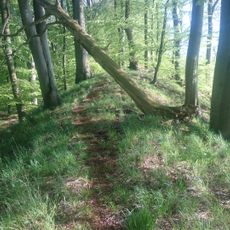
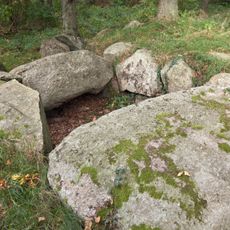
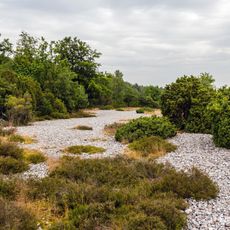
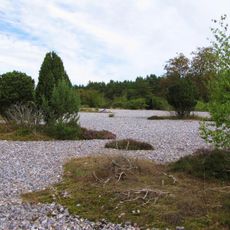
The flint fields are a natural accumulation of small stones spread along the Baltic coast between Mukran and Prora. The ground is covered with densely packed flint arranged in several parallel ridges that run toward the shore.
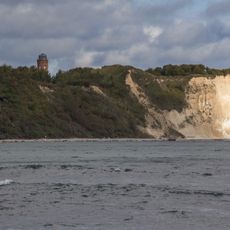
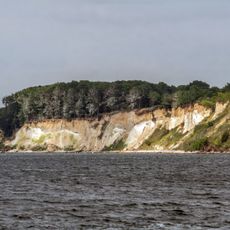
Severe storms roughly 3,500 to 4,000 years ago eroded chalk deposits from the Jasmund peninsula and washed flint into this coastal area. This prolonged erosion process created the stone landscape visible today.
The place is called Steinernes Meer, meaning Stone Sea, reflecting how locals and visitors perceive this expansive stone-covered landscape. The name captures the impression of standing amid an endless expanse of flint.
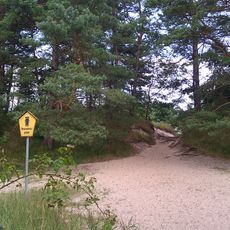
The site is reached on foot from the parking area at Neu Mukran with a walk of about two to three kilometers on marked paths. Sturdy shoes are necessary because the ground is uneven and covered with sharp stones.
The thick layer of flint prevents dense plant growth and creates a specialized habitat where only certain plant species can take root. This sparse environment supports a distinctive plant community rarely found elsewhere in the region.
The community of curious travelers
AroundUs brings together thousands of curated places, local tips, and hidden gems, enriched daily by 92,605 contributors worldwide.