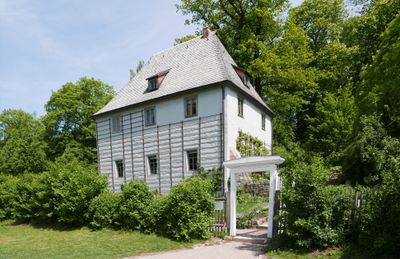
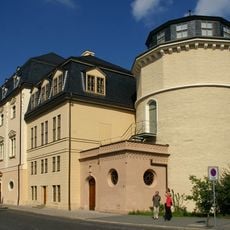
Goethes Gartenhaus, Literary museum in Park an der Ilm, Weimar, Germany
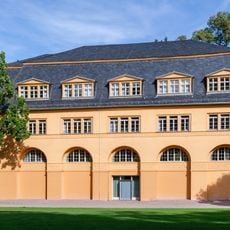
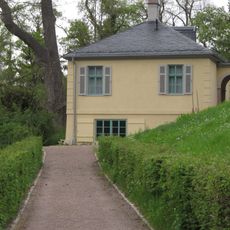
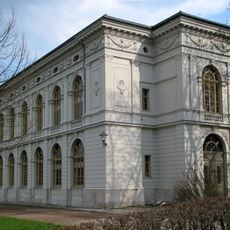
Goethe's Garden House is a two-story white building on the eastern bank of the Ilm River in Weimar, serving as the writer's residence. The interior preserves rooms and furniture from his period, offering insight into how he lived.
Goethe bought the garden property on the eastern Ilm slope in April 1776 for 600 talers, paid in two installments from Duke Karl August's treasury while Goethe appeared as the buyer. The house may date from the 16th century, when viticulture shaped Weimar. Goethe made it habitable and lived there until 1782, then moved to the house on Frauenplan but kept returning; his last visit was on 20 February 1832.
The house displays personal belongings and manuscripts that reflect how Goethe lived and worked in this space. Visitors can see the traces of his daily life, which helps understand his connection to the place.
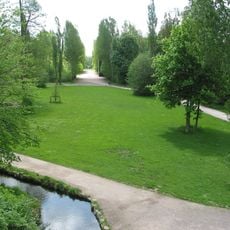
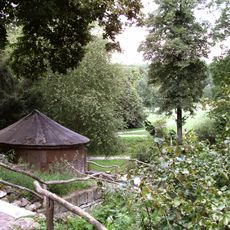
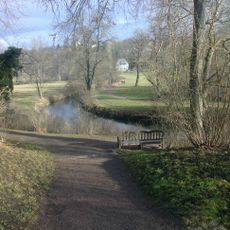
The house sits in a park along the Ilm and is easily reached on foot, especially when using nearby walking paths. A visit typically takes one to two hours, depending on how thoroughly you want to explore the rooms.
The 1999 replica of the garden house, made for Weimar's year as European Capital of Culture, was later shown at Expo 2000 in Hanover and has stood in Bad Sulza, Thuringia, as "Goethes Gartenhaus II" since 2002. The idea came from the artist duo UnterbezirksDada, who proposed a lightweight copy in 1990/91.
The community of curious travelers
AroundUs brings together thousands of curated places, local tips, and hidden gems, enriched daily by 92,946 contributors worldwide.