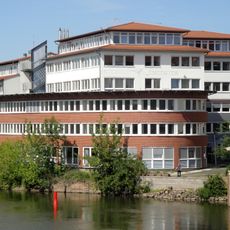
Hallors and Saline Museum, Salt and saline museum in Halle (Saale), Germany
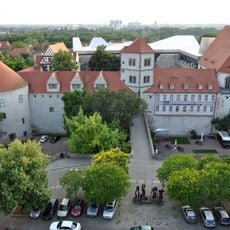
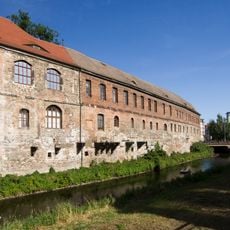
The Hallors and Saline Museum occupies the former Royal Prussian salt works buildings in Halle (Saale) and focuses on the history of salt production in the region. The collection includes original tools, mining finds, and models that explain how salt was extracted and processed on this site.
The Royal Prussian Saline was founded in 1721 by King Frederick William I on a Saale island, following plans by Johann Paul Stecher, who became its first lessee; it competed with the older Pfännerschaft saline around the Hallmarkt, whose salt production ended in 1869. The Pfännerschaft took over the royal works in 1868, and salt boiling there ceased in 1964. A museum opened in the buildings in 1967, renamed after a boiling pan was installed in 1969.
The museum holds the collection of the Halloren brotherhood, including silver cups and trophies used during ceremonies and guild gatherings. These objects show the social standing that salt workers held in the city and the pride they took in their trade.
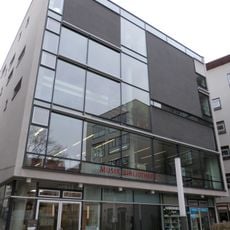
The museum is located in central Halle (Saale) and easy to reach on foot from the city center. A guided tour or audio guide is worth considering, as the exhibition covers a lot of ground and some areas benefit from explanation.
The museum garden grows halophytes, plants that have adapted to thrive in salty soil and are rarely found outside areas with a long history of salt production. This living part of the site shows how deeply the saline shaped the local environment over centuries.
The community of curious travelers
AroundUs brings together thousands of curated places, local tips, and hidden gems, enriched daily by 92,697 contributors worldwide.