Historical Cemetery, Weimar, Historical burial ground in Weimar, Germany
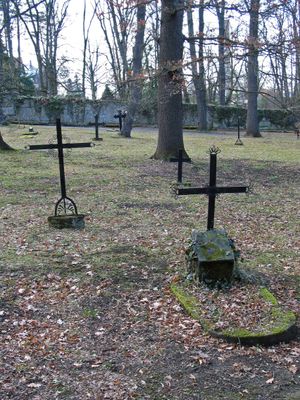
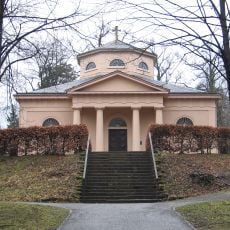
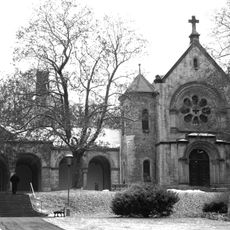
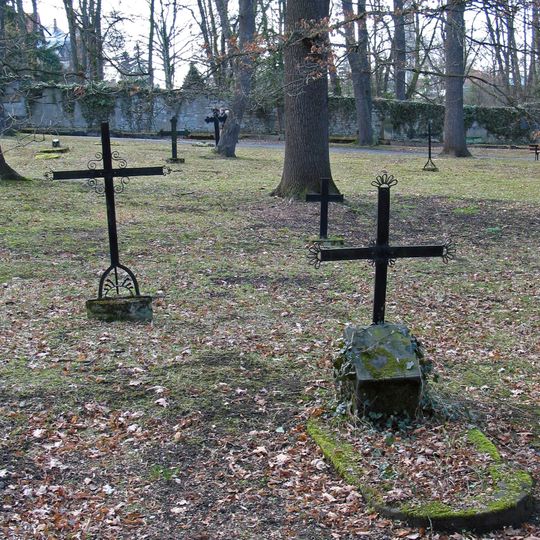
The Historical Cemetery in Weimar is a park-like burial ground opened in 1818 on a hill southwest of the city, next to the Posecksche Garten. A straight linden avenue climbs from the main entrance to the Weimarer Fürstengruft and the Russian Orthodox Chapel at its centre. The oldest northern section, with old trees and family tombs along the walls, is no longer used for burials.
The cemetery began as a burial place for Weimar's nobility and citizens, and became known when major writers and philosophers were laid to rest there. Its importance grew through the burials of people who defined the classical period.
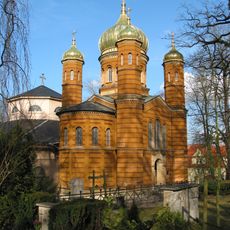
The cemetery's name comes from its oldest, park-like northern section, where burials north of the Fürstengruft have ceased to keep its appearance. Along the surrounding walls stand grave chapels and monuments of wealthy Weimar families. Behind the Fürstengruft, the Russian Orthodox chapel was built at the wish of Grand Duchess Maria Pavlovna over her grave.
The cemetery can be visited daily and works well for a quiet walk where you can explore the grounds and monuments at your own pace. Guided tours can be arranged if you want more background knowledge about the people and places.
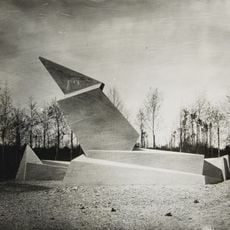
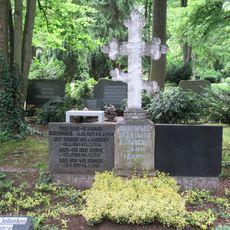
The Monument to the March Dead, unveiled on 1 May 1922, was designed by Bauhaus director Walter Gropius as a concrete "lightning bolt from the grave" and is nicknamed the Gropiusblitz. It commemorates nine workers shot during the general strike against the Kapp Putsch on 15 March 1920. The Nazis blew it up in February 1936; seven grave slabs of the victims remain.
The community of curious travelers
AroundUs brings together thousands of curated places, local tips, and hidden gems, enriched daily by 93,641 contributors worldwide.