Hindenburgbrücke, Railway bridge in Rhineland-Palatinate, Germany
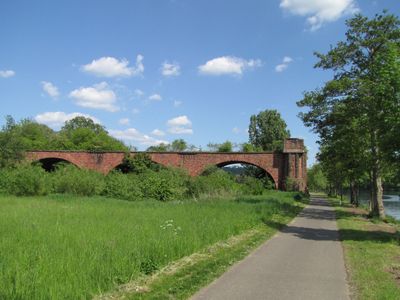
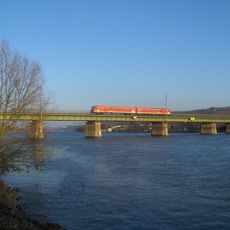
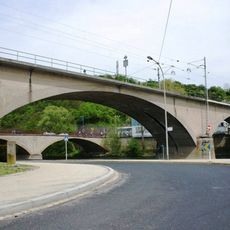
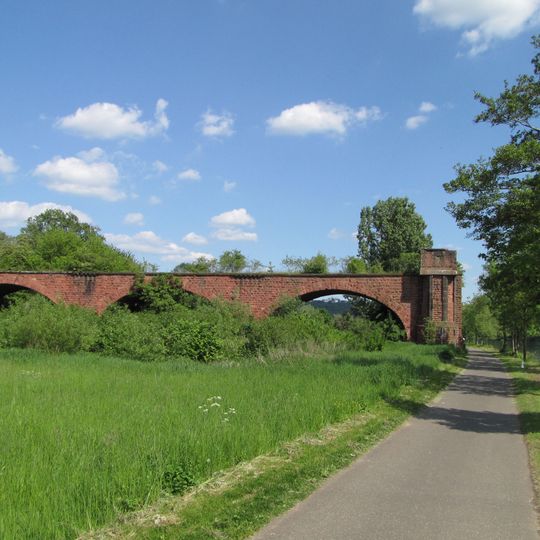
The Hindenburgbrücke is a railway bridge spanning the Mosel River in Rhineland-Palatinate with a robust steel and concrete structure. The bridge features arched supports and a large central steel section that carries the double-track rail line across the water.
Construction started in 1913 with Italian laborers and later Russian prisoners of war handling much of the work during World War I. The bridge was named in 1918 to honor Field Marshal Paul von Hindenburg.
The bridge received its name in 1918 to honor Field Marshal Paul von Hindenburg, who later became the President of Germany in the Weimar Republic.
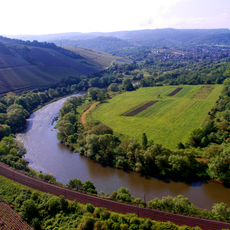
The bridge offers pedestrian access with open views of the river valley and surrounding countryside for those willing to walk across. Windy conditions can be strong due to the elevated position and open steel structure, so visitors should be prepared for exposure.
Since 2002 the bridge has been part of the UNESCO World Heritage Site designation of the Upper Middle Rhine Valley. This recognition includes the landscape and historical structures that shape this section of the river.
The community of curious travelers
AroundUs brings together thousands of curated places, local tips, and hidden gems, enriched daily by 91,136 contributors worldwide.