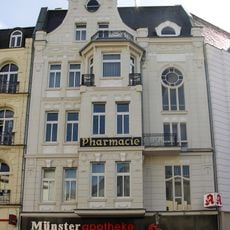
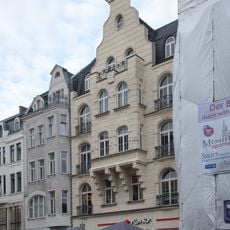
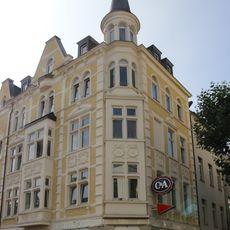
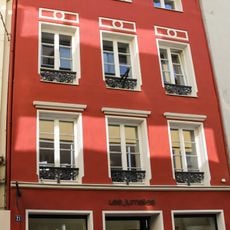
Bonn, Administrative district in North Rhine-Westphalia, Germany
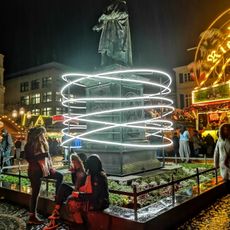
Bonn is a district in the south of North Rhine-Westphalia, situated on the western bank of the Rhine river, directly across from the forested Siebengebirge hills. The city is made up of several neighborhoods that spread from the old town near the river outward toward the flatter surrounding countryside.
Bonn served as a Prussian administrative center and gained wider recognition after 1818 when its university was founded, drawing scholars and students to the Rhine. After World War II, the city became the capital of West Germany, a role it held until German reunification in 1990.
The Rhine promenade in Bonn is a natural gathering place where people walk, sit, and watch the river traffic throughout the year. Across the water, the hills of the Siebengebirge are visible on clear days and draw many day-trippers from the district.
Bonn is easy to reach by train from Cologne and other nearby cities, and the local tram and bus network covers most neighborhoods within the district. For trips into the Siebengebirge hills across the river, comfortable walking shoes are a good idea as the paths can be steep.
Ludwig van Beethoven was born in Bonn in 1770, and his birthplace in the old town is now a museum that draws visitors from around the world. Less obvious is that the city also played a role in the early career of Robert Schumann, who spent time here during his formative years.
The community of curious travelers
AroundUs brings together thousands of curated places, local tips, and hidden gems, enriched daily by 92,240 contributors worldwide.