Mosbacher Sande, Ice Age fossil site near Biebrich, Germany
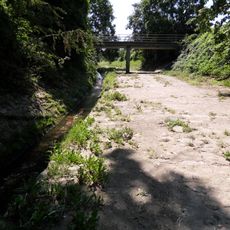
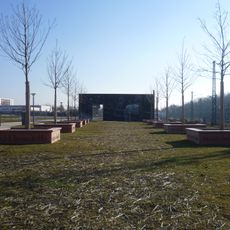
Mosbacher Sande is a fossil deposit containing sedimentary layers from the Ice Age, positioned approximately 40 meters above current water levels. These layers formed from deposits left by ancient Rhine and Main rivers and hold the remains of many Ice Age animals.
The site was discovered in 1845 and prompted systematic excavations that uncovered thousands of Ice Age animal remains. These findings document a period roughly between 850,000 and 475,000 years ago.
The name comes from the nearby village of Mosbach, which gave its identity to this geological site. Visitors can observe how the earth's layers reveal the animals that once roamed this region.
The site is accessible on foot and offers the chance to view the exposed layers up close. The best time to visit is during dry weather, as paths and areas are easier to navigate.
Remains of approximately 65 mammal species and 152 mollusk types were uncovered here, offering a broad view of the animals living during this period. A particularly large predator skeleton from this site demonstrates the impressive size of creatures from that era.
The community of curious travelers
AroundUs brings together thousands of curated places, local tips, and hidden gems, enriched daily by 90,822 contributors worldwide.