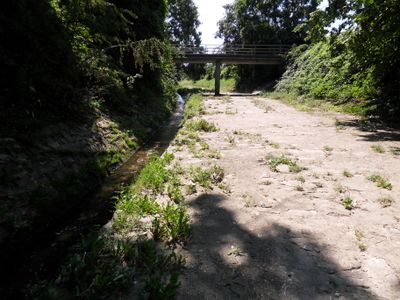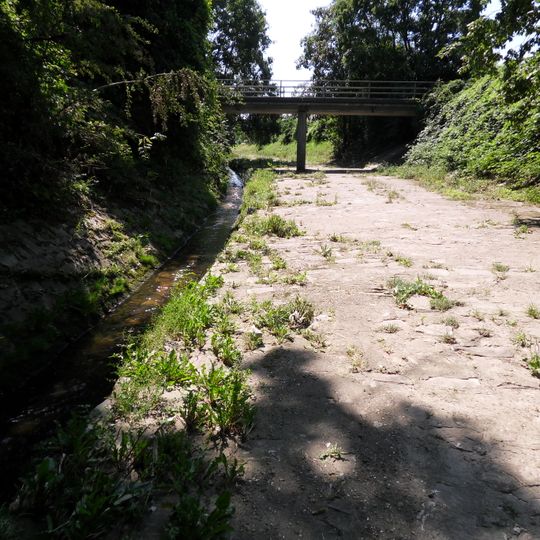
Salzbach, Stream tributary in Wiesbaden, Germany
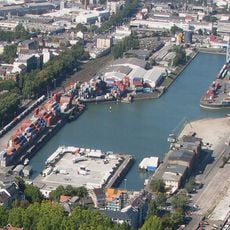
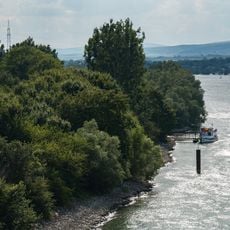
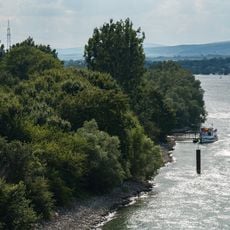
The Salzbach is a tributary that flows through Wiesbaden for about 15 kilometers before joining the Rhine River. In the city center, it runs through underground channels and pipes, and its water volume increases noticeably after rainfall.
The stream was central to Wiesbaden's development, but its modern form took shape between 1900 and 1907 with an electrically lit channel system and brick structures. This infrastructure was a technical feature of its era and still shapes the city today.
The stream shaped Wiesbaden's industrial life, as millers built their facilities along its course to harness its flow. The Hammermühle stands as a reminder of this craft tradition that was once central to daily activity in the city.
The stream flows mostly hidden beneath the city, so direct access points are limited to only a few surface areas along its route. When visiting, use the local paths and be aware of flood risks that can occur especially during winter months.
The stream's water carries minerals from Wiesbaden's thermal springs, which influenced its name and ties the location to the region's natural resources. This mineral-rich composition is the result of underground geological processes that have shaped Wiesbaden for centuries.
The community of curious travelers
AroundUs brings together thousands of curated places, local tips, and hidden gems, enriched daily by 91,290 contributors worldwide.