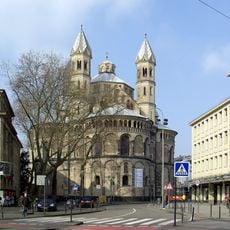
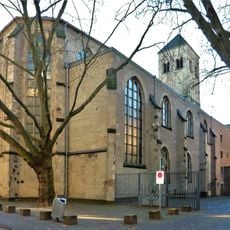
Römisches Südwesttor, archaeological site in Altstadt-Süd, Germany
The Römisches Südwesttor was a gate structure in the Roman city of Colonia Claudia Ara Agrippinensium, part of its defensive walls. The preserved remains show two passageways separated by a central pillar, walls about 10 feet (3 meters) thick on the sides, and foundations with stairs and a water channel built into the ground.
The gate was built during Roman occupation and was one of about nine entrances in Cologne's city wall. By 1144, it lost its function when a Benedictine monastery was constructed nearby, blocking the old passage route.
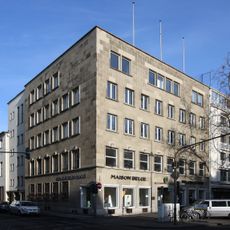
The gate was positioned at a major intersection where main roads met, serving as a control point for the movement of goods and people in and out of the city. Its location at Bob- and Clemensstraße reflects how Romans placed their gates at strategic spots where daily commerce and travel naturally concentrated.
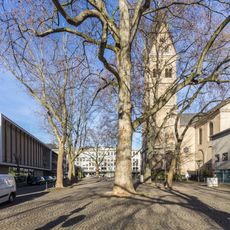
The remains of the gate are located beneath the modern street surface in the city center and are best viewed through archaeological displays or local museum exhibitions. The site is easily accessible, situated at the intersection of Bob- and Clemensstraße in a central area of the old town.
Near the gate, archaeologists found a red sandstone milestone marking distances to other Roman towns, erected around 300 AD. In the same area, they also discovered a statue of Jupiter and altars, revealing that this location was an important religious center for the Romans.
The community of curious travelers
AroundUs brings together thousands of curated places, local tips, and hidden gems, enriched daily by 90,827 contributors worldwide.