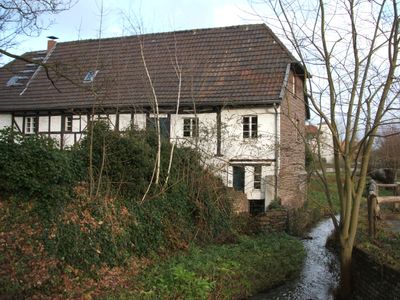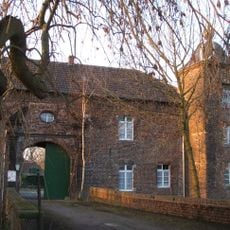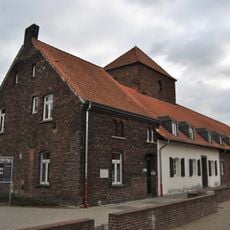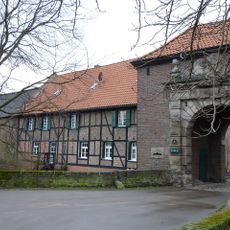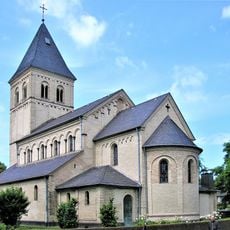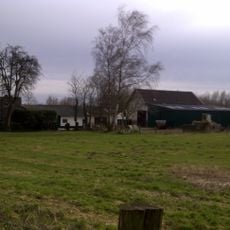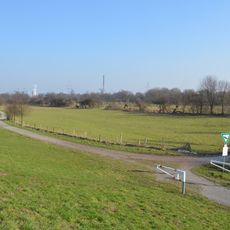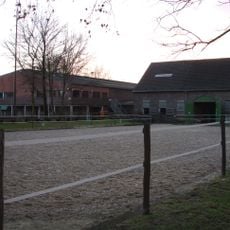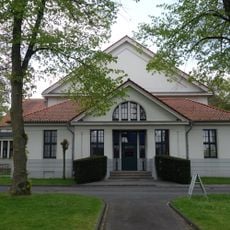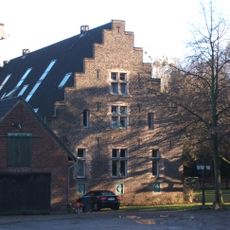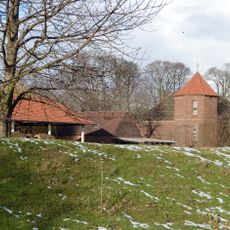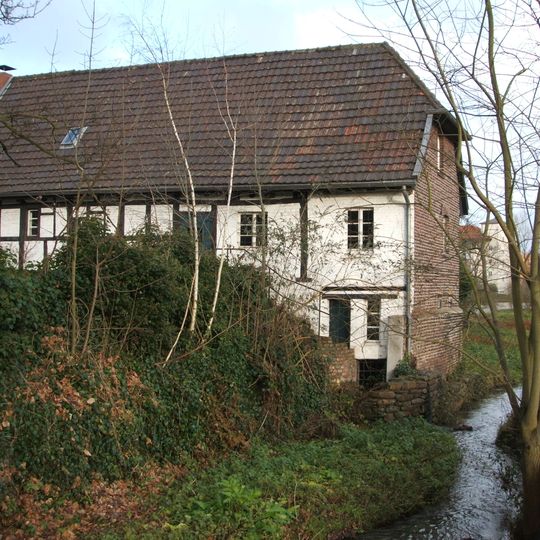
Sandmühle, Historic mill courtyard in the southeast of the Duisburg district of Huckingen.
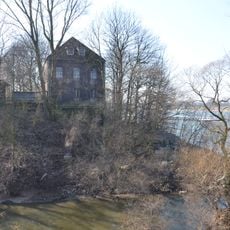
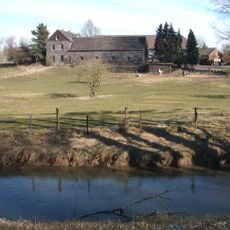
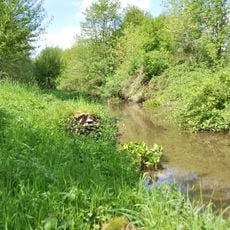
Sandmühle is a historic watermill in Duisburg-Huckingen with solid stone and wooden structures that have survived for many centuries. The building stood beside a small river with water channels that directed flow to power the mill wheel for grinding grain.
Sandmühle was built in the 12th or 13th century on a stone foundation and first appeared in written records in 1448 when the Duke of Jülich-Berg confirmed its ownership. It passed through several noble families over the centuries, was modernized with a turbine instead of wheels, and ceased grain milling in 1956.
The mill represents the craft traditions and community reliance on water power that shaped life in this region for centuries. It remains a symbol connecting local residents to their shared heritage and the work of their ancestors.
The site is today a protected heritage monument with parts used as residences and small businesses, allowing visitors to view the exterior and original water infrastructure. Its location near Düsseldorfer Landstraße makes it easy to find, and the quiet setting offers space to walk around and examine the old water channels and sturdy brick walls.
Archaeological studies have revealed that the mill went through at least six distinct construction phases over its lifetime. This discovery shows how it evolved from a simple medieval building into an increasingly complex structure as it was repeatedly modified to meet changing needs over the centuries.
The community of curious travelers
AroundUs brings together thousands of curated places, local tips, and hidden gems, enriched daily by 91,871 contributors worldwide.