Duisburg, Industrial metropolis in North Rhine-Westphalia, Germany
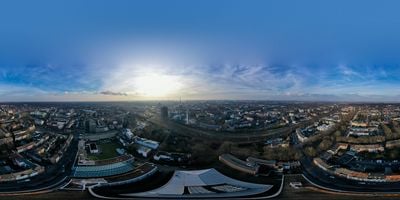
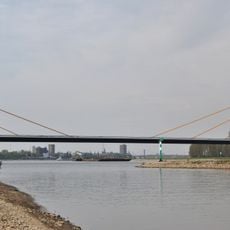
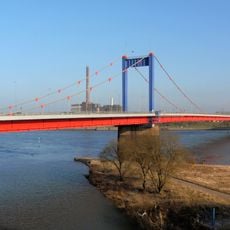
Duisburg is a major city in North Rhine-Westphalia where the Rhine meets the Ruhr, divided into seven administrative districts. The urban area covers 232 square kilometers and includes industrial zones, residential neighborhoods and green spaces along both river banks.
The settlement started as a Roman trading post and grew during the Middle Ages as a Hanseatic League member focused on river commerce. In the 19th and 20th centuries, coal mining and steel production transformed the area into one of the largest industrial centers in Europe.
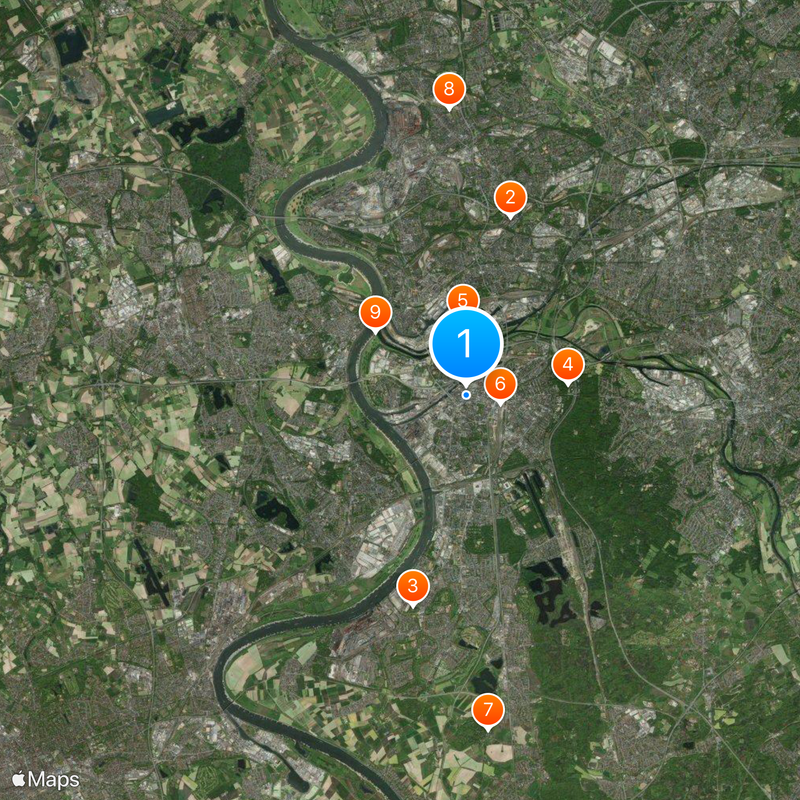
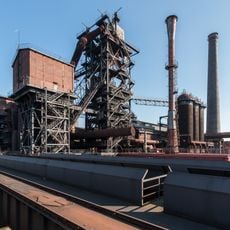
Local families gather in the former blast furnace park where concerts, outdoor films and climbing activities occupy spaces between the old steel structures. On weekends, people bring picnics to the waterfront promenades and rent bicycles to explore the converted railway paths that connect neighborhoods along the canals.
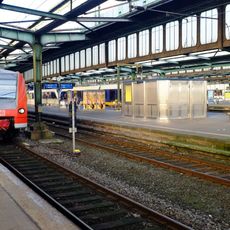
The city operates three metro and tram lines that connect all districts and offer direct routes to Düsseldorf for regional travel. Most points of interest and parks are accessible on foot or by bicycle using the developed paths along rivers and canals.
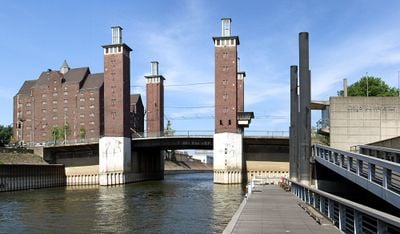
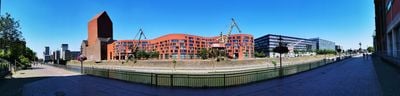
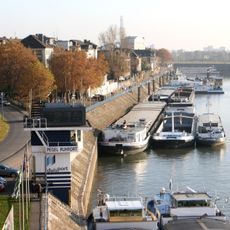
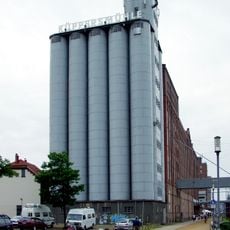
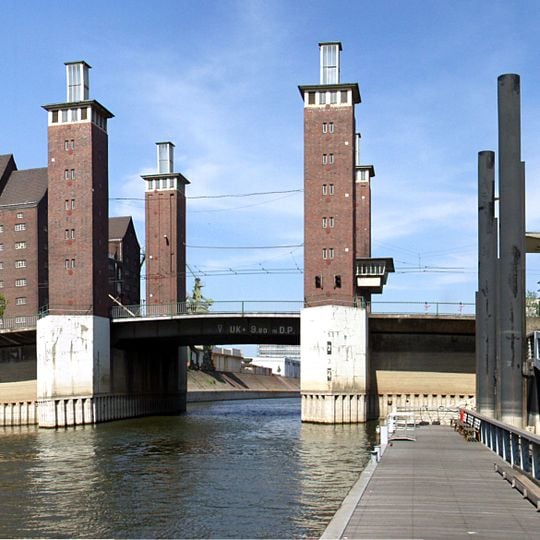
The inland port stretches across 40 kilometers (25 miles) of waterfront with 21 docks and remains the largest facility of its kind in the world for seagoing vessels. Some of the old grain silos along the water have been converted into offices, restaurants and apartments while cranes and warehouses continue operating nearby.
The community of curious travelers
AroundUs brings together thousands of curated places, local tips, and hidden gems, enriched daily by 90,832 contributors worldwide.