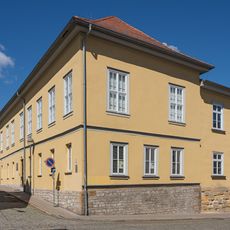
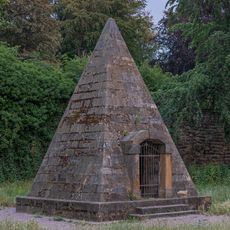
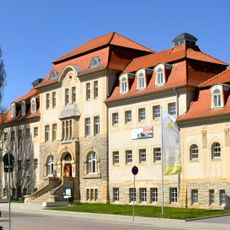
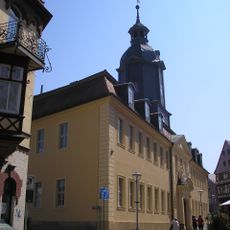
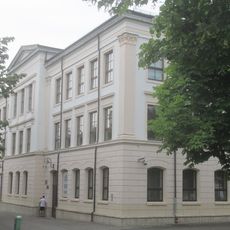
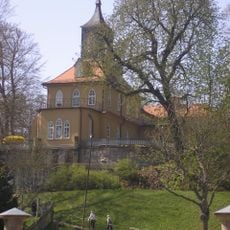
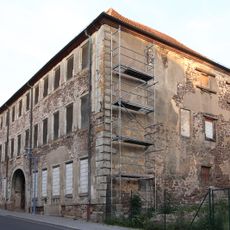
Wasserkunst, Historical water system in Gotha, Germany.
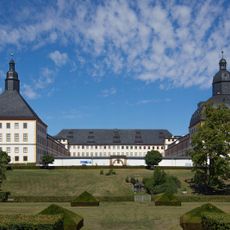
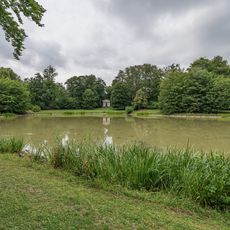
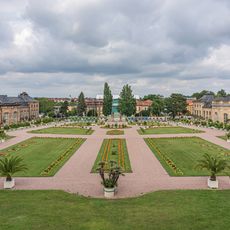
Wasserkunst is an intricate water system in Gotha featuring cascading waterfalls and connected ponds on different levels. The structure spans approximately 72 meters and links the castle to the marketplace through layered water features.
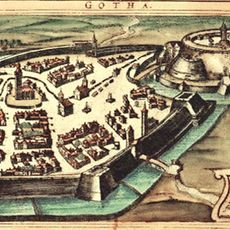
The system originated between 1366 and 1369 when Landgrave Balthasar built the Leina Canal to bring water from the Thuringian Forest to the expanding city. This early water supply represented a major advancement in Gotha's urban development.
The name itself means 'water artistry,' reflecting how fountains and cascades were designed as visual spectacles. Locals and visitors still gather here to experience the theatrical play of water through the landscape.
The system operates through a pump station located in the basement of the Lucas Cranach House, which continues to supply water to fountains across the city. You can visit throughout the year, though water flow varies depending on the season.
The system was redesigned in the 19th century to blend practical water management with decorative fountain features reflecting Renaissance garden principles. This fusion of function and beauty remains rare among European water systems.
The community of curious travelers
AroundUs brings together thousands of curated places, local tips, and hidden gems, enriched daily by 91,957 contributors worldwide.