Museum der Natur Gotha, Natural history museum in Gotha, Germany
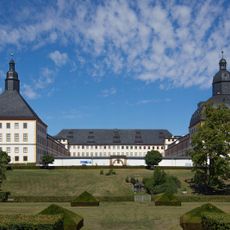
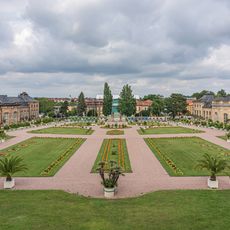
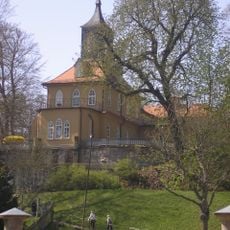
The Museum der Natur Gotha is a natural history museum housed in the west tower of Friedenstein Palace, in the town of Gotha in Thuringia. Its collections cover geology, paleontology, and zoology, displayed across several floors of the tower.
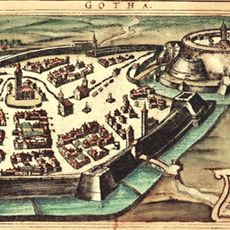
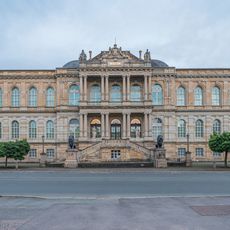
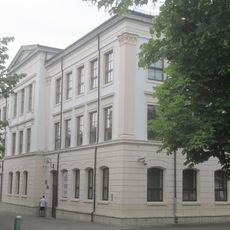
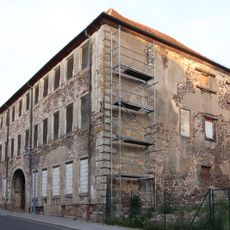
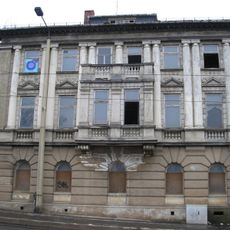
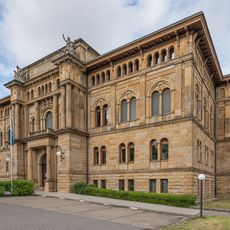
The natural history collections began under Duke Ernst the Pious, who acquired the Gotha naturalist Friedrich Christian Schmidt's conchology collection in 1627, then the largest in Germany. Duke Ernst II of Saxe-Coburg and Gotha had a new museum built in the former kitchen garden of Friedenstein Palace between 1864 and 1879 in Neo-Renaissance style. After 1945 losses, the Biological Central Museum opened in the building on 1 August 1954 and was renamed Museum der Natur Gotha in 1971. Since 2010 the museum has moved into the west tower of the palace.
The museum's name changed over time: after the building was rebuilt it opened on 1 August 1954 as the Biologisches Zentralmuseum, then the largest natural history museum in Thuringia, and from 1971 it was called Museum der Natur Gotha. The diorama backgrounds were painted between 1952 and 1954 by the hunting and animal painter Friedrich Reimann, who also made the wall paintings in the entrance area and the stairwell.
The museum occupies the west tower of Friedenstein Palace, reached via the palace grounds above the town centre of Gotha. The tower is not wheelchair accessible, so visitors should expect stairs between the exhibition floors. The displays begin with the four naturalists Linné, Humboldt, Darwin and Brehm before continuing through the themed sections.
Among the collections are skeleton plates and footprints of ancient reptiles found at a former quarry near Tambach-Dietharz in Thuringia. These specimens are considered some of the oldest known remains of their kind in the world.
The community of curious travelers
AroundUs brings together thousands of curated places, local tips, and hidden gems, enriched daily by 93,310 contributors worldwide.