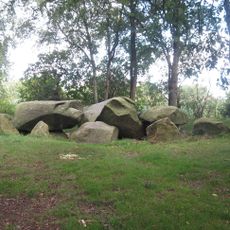
Altsächsische Gräberfelder an der Fallward, archaeological site in Cuxhaven, Germany
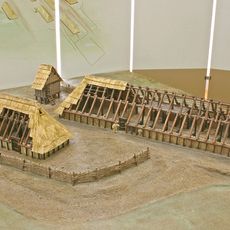
The Altsächsische Gräberfelder an der Fallward is an archaeological site near Cuxhaven with around 200 cremation graves and 60 inhumation graves dating to the 4th to 5th centuries after Christ. The wet marsh soil has preserved wooden objects, jewelry, and textiles exceptionally well, including a finely crafted wooden chair and two boat burials.
The site dates to late Roman times, around 1600 years ago, when the region had contact with the Roman Empire, Scandinavia, and the British Isles. Systematic excavation took place in the 1990s and revealed the significant finds that were later displayed in a museum.
The burials show how people here honored the dead with personal objects, reflecting their respect for craftsmanship and social rank. The variety of grave goods, from furniture to jewelry, reveals social differences in the community and the belief that these items mattered in the afterlife.
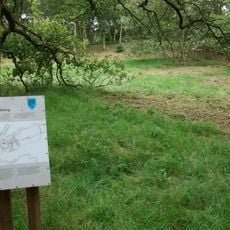
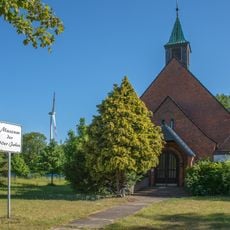
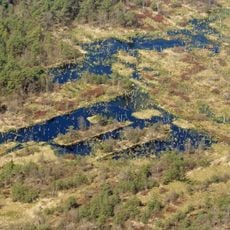
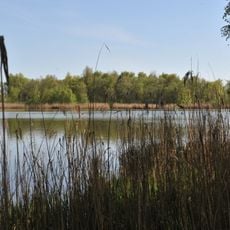
The site lies several kilometers south of Cuxhaven in flat marshland and is not developed as a visitor facility but rather serves as an archaeological excavation location. Those wishing to see the finds can visit them at the museum in Bederkesa, where explanatory information about the discoveries is also available.
Among the grave finds stands a finely carved wooden chair resembling a throne, about 65 centimeters (25 inches) tall, which is particularly noteworthy. This type of decorated wooden furniture from this period is unknown elsewhere in Europe and demonstrates the exceptional craftsmanship of that society.
The community of curious travelers
AroundUs brings together thousands of curated places, local tips, and hidden gems, enriched daily by 92,050 contributors worldwide.