Alexianerkloster Aachen, Catholic monastery in Aachen, Germany
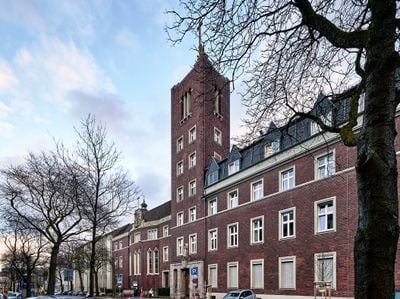
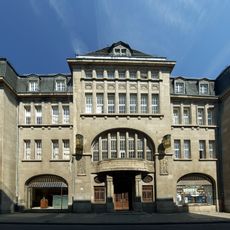
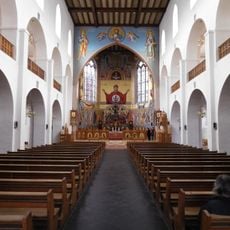
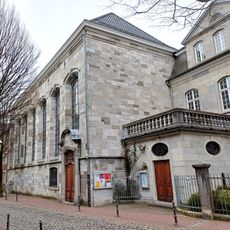
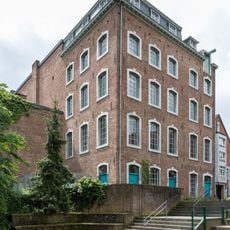
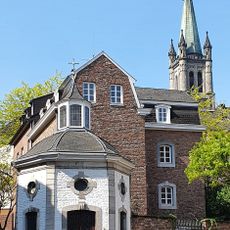
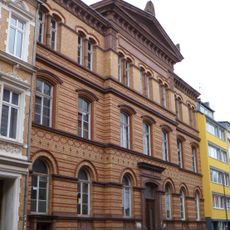
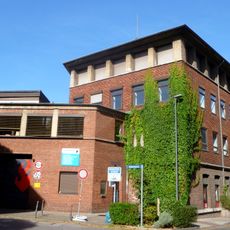
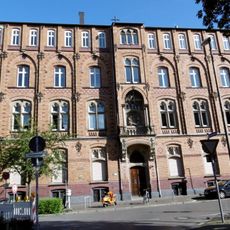
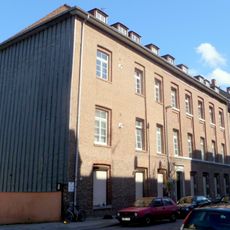
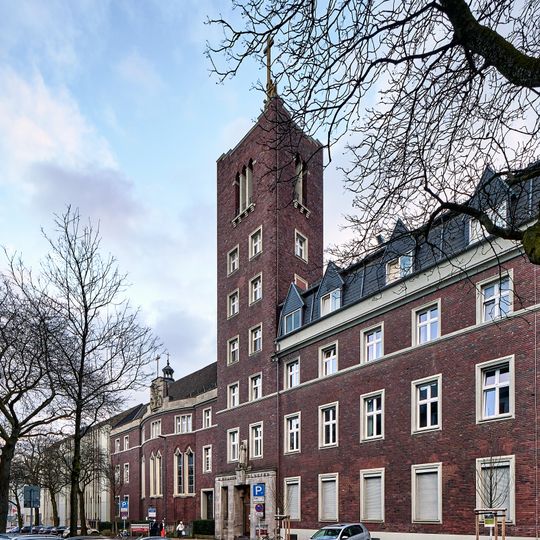
The Alexianerkloster Aachen is a monastery and hospital complex featuring modern architecture designed by Wilhelm Pauen and completed in 1929. The facility combines a church, residential spaces, and medical areas within a connected building complex along Alexianergraben street.
The monastery received its first official mention in 1391 and gained prominence during plague years when brothers cared for the sick and buried the dead. This medical service helped the institution survive French occupation from 1795 to 1815, when many other religious houses were dissolved.
The name Alexianer goes back to Saint Alexius of Edessa: when the chapel was completed in 1477 it was dedicated to both Saint Augustine and Saint Alexius, and the order then appeared publicly as the Alexianerorden. The brothers ran the Aachen Ostfriedhof from 1803 until 1922 and had their own burial field there.
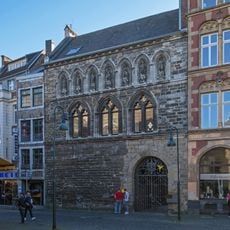
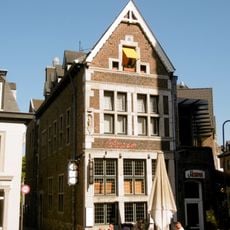
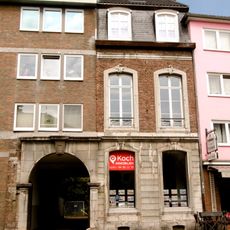
The complex stands along Alexianergraben, just outside Aachen's old city wall near the site of the former Scherptor gate. The Clemensbau and St. Alexius Church face the street, with the hospital wings (Quirinusbau) attached at the rear and to the south. The buildings have been a protected monument since 1980.
The monastery's survival during French occupation stands out because its medical services exempted it from the dissolution that affected many other religious institutions. This exceptional status made it one of the few houses to maintain continuous operation through that turbulent period.
The community of curious travelers
AroundUs brings together thousands of curated places, local tips, and hidden gems, enriched daily by 92,892 contributors worldwide.