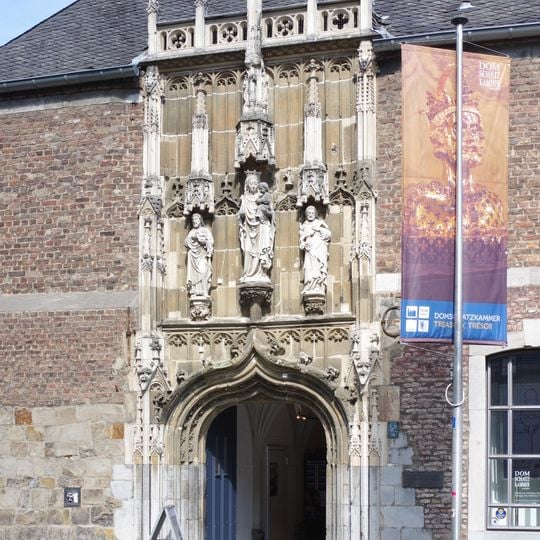
Aachen Cathedral Treasury, Medieval art museum at Aachen Cathedral, Germany
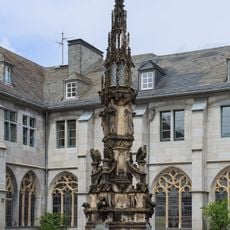
The Aachen Cathedral Treasury is an art museum within the cathedral cloisters that displays precious religious objects. The exhibition presents Carolingian artifacts, liturgical vessels, and sacred works spanning several centuries of European medieval craftsmanship.
The treasury originated as a repository for objects used in religious ceremonies at the cathedral. In the 20th century, it gained international recognition and became the first German monument inscribed on the UNESCO World Heritage List.
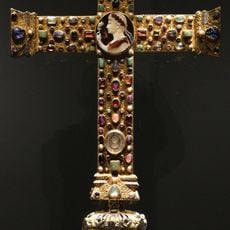
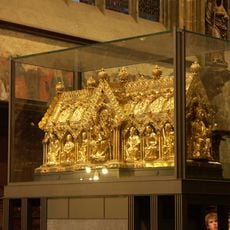
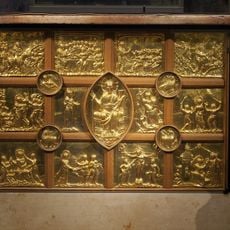
The collection displays masterpieces of religious craftsmanship including the Cross of Lothair and the silver-gilt Bust of Charlemagne. Visitors can see how medieval artists used gold, silver, and precious stones to express their devotion through objects meant for worship.
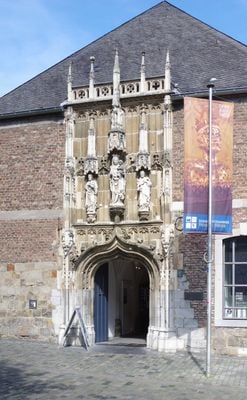
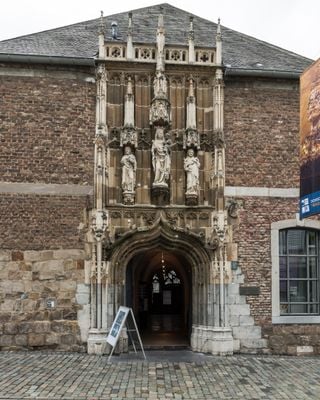
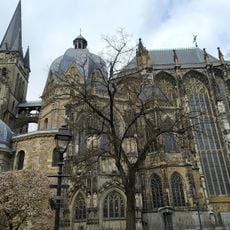
The treasury occupies rooms off the cathedral cloister, entered through the Gothic portal on the Johannesstraße side, where an A-frame sign marks the entrance. The 1995 refit spread the exhibits over 600 m² in five thematic sections, so allow time to follow the route through all of them.
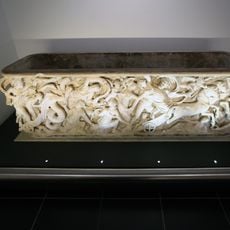
The Roman marble sarcophagus of the early third century, in which Charlemagne was buried in the cathedral, is displayed here; it is known as the Persephone sarcophagus. The treasury also keeps an eleventh-century olifant long taken for Charlemagne's hunting horn, and an eighth-century hunting knife of Damascus steel whose sheath reads BRHTZIGE MEC FECID (Brythsige made me).
The community of curious travelers
AroundUs brings together thousands of curated places, local tips, and hidden gems, enriched daily by 92,634 contributors worldwide.