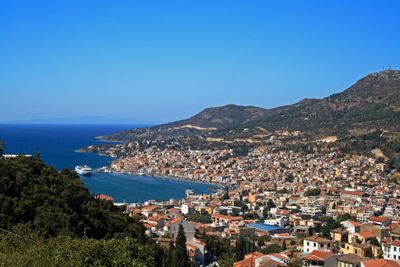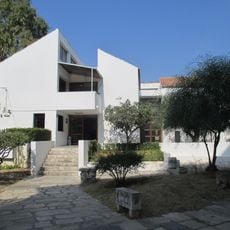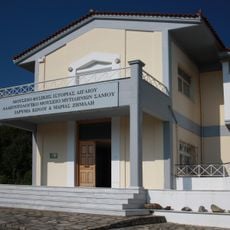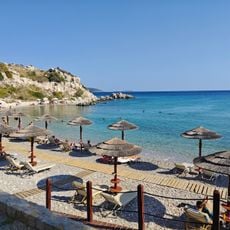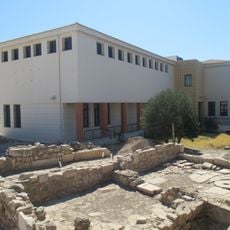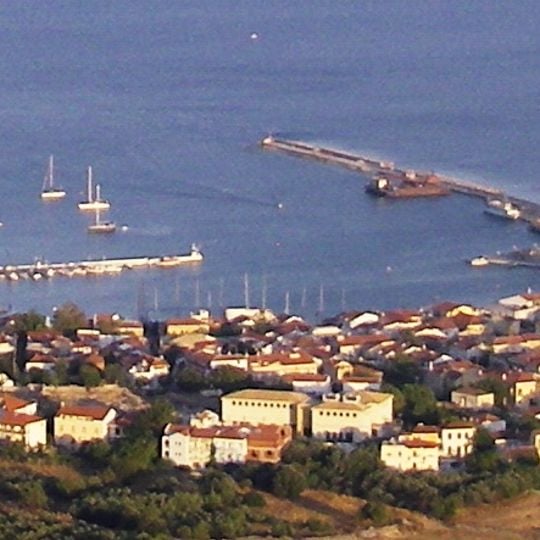
Samos, Greek island in North Aegean Region, Greece.
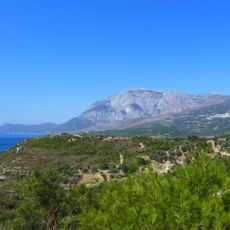
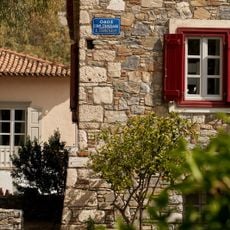
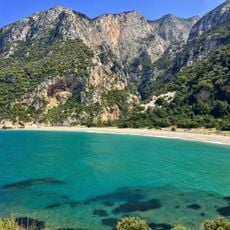
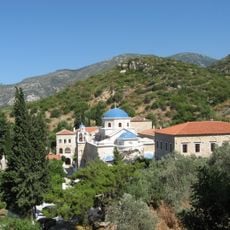
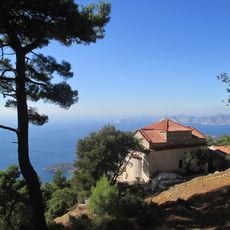
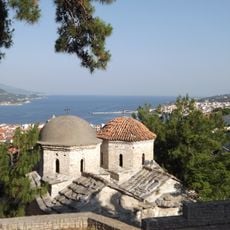
Samos is an island in the northern Aegean Sea in Greece, stretching close to the Turkish coast and separated from the mainland by a narrow strait. The landscape shows steep cliffs in the west, rolling hills in the east, and fertile plains along the southern coast, where small villages and harbor towns are scattered.
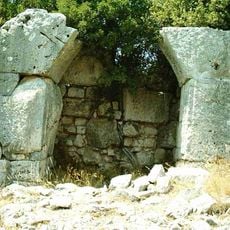
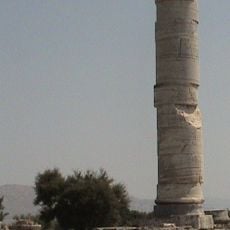
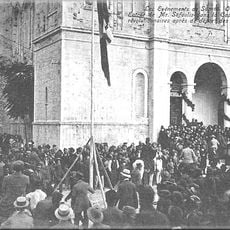
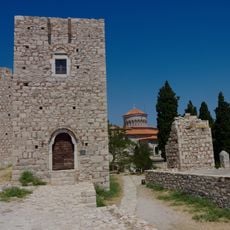
In antiquity the island experienced its golden age under the tyrant Polycrates in the 6th century BCE, who promoted large construction projects. After Roman and Byzantine rule it fell to the Ottoman Empire in 1453, until it was united with Greece in 1912.
The name derives from the Phoenician term for a high place and reflects early trade contacts. Visitors notice today the vineyards on the hillsides, where the sweet muscat wine has been cultivated for centuries.
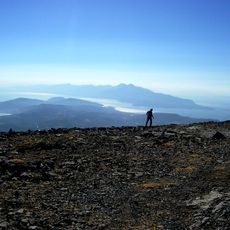
Most visitors come in summer, when the weather is warm and dry and ferry connections run more frequently. Hikers should bring sturdy footwear for the mountain trails, as some paths can be steep and rocky.
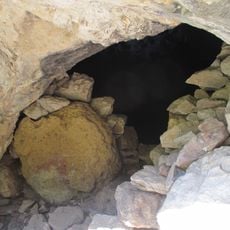
The mathematician Pythagoras was born here around 570 BCE and later left the island because of political tensions. In the caves on the northern shore archaeologists found remains of cave bears that went extinct thousands of years ago.
The community of curious travelers
AroundUs brings together thousands of curated places, local tips, and hidden gems, enriched daily by 92,318 contributors worldwide.