Archeological Museum of Argos, Archaeological museum in Argos, Greece.
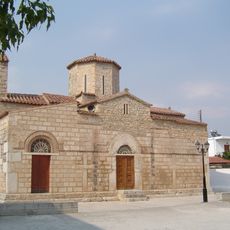
The Archaeological Museum of Argos occupies two connected buildings at the intersection of Vasilissis Olgas and Kallergis streets: a residence dating to the 1830s and a modern wing. The galleries display pottery, sculptures, and objects from prehistoric settlements, Mycenaean burial sites, and ancient civic spaces in the surrounding region.
The museum's history began in April 1932, when the heirs of J. Kallergis donated the building to the Argos city council, which transferred it and the surrounding land to the Greek state on 25 October 1955. The Kallergeio section opened in 1957 and the new section in 1961, built under the supervision of the French Archaeological School. Finds from Argos and its prefecture, excavated largely by the French and American Schools, date from about 2000 BC to 600 AD.
The collection represents finds from across the Argolis region, reflecting how communities developed from early settlements onward. Pottery styles and sculptural techniques visible in the galleries show how artistic traditions shifted over generations.
The museum is currently undergoing renovation work with funding from Greece and the European Union, so access is limited. Check current conditions before planning a visit, as the reopening status may change.
The courtyard displays Roman mosaics depicting the twelve months, with seasonal scenes showing figures dressed for different times of year. These intricate works offer a rare view into how Romans pictured the passage of seasons.
The community of curious travelers
AroundUs brings together thousands of curated places, local tips, and hidden gems, enriched daily by 92,856 contributors worldwide.