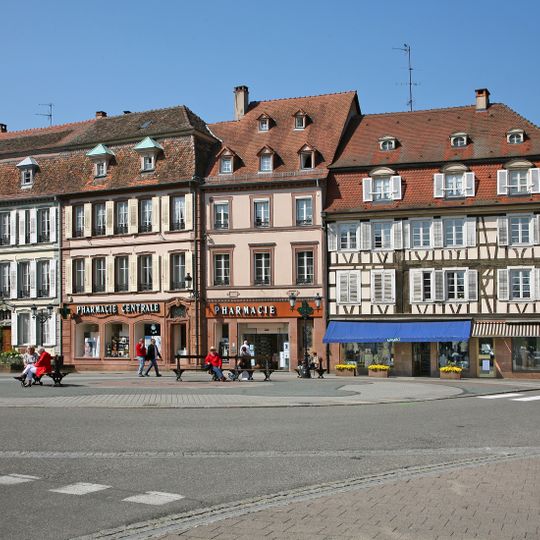
Wissembourg, Border town in Bas-Rhin, France
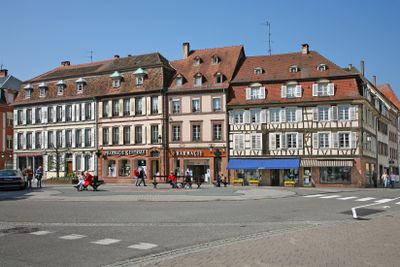
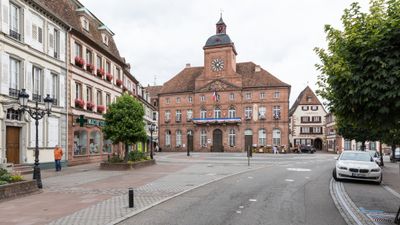
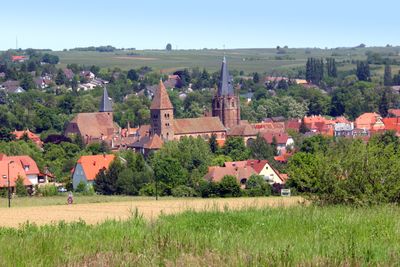
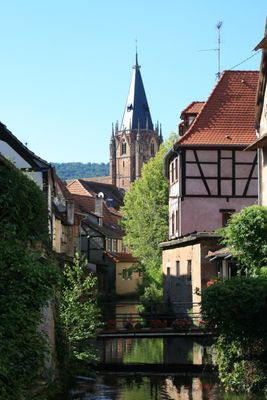
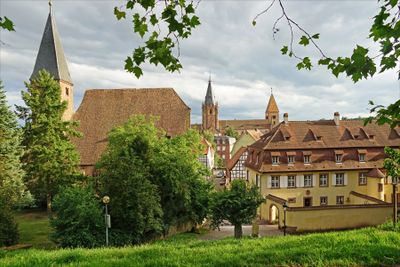
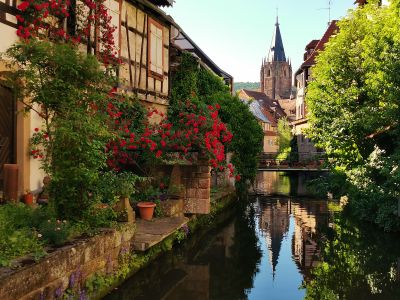
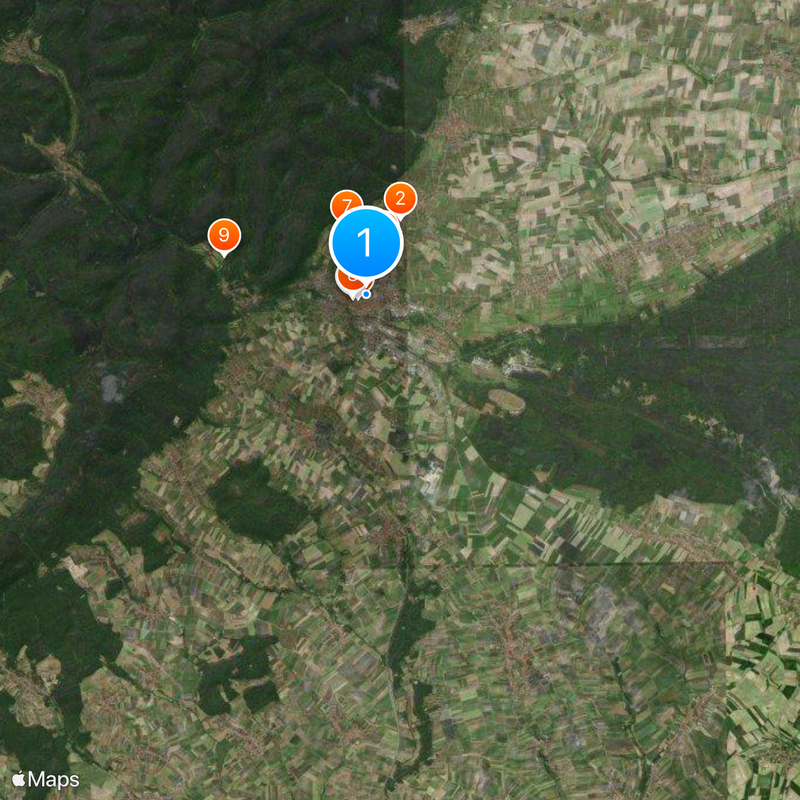
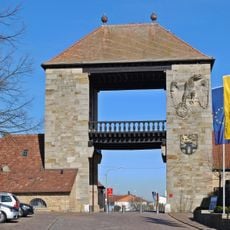
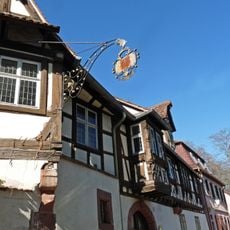
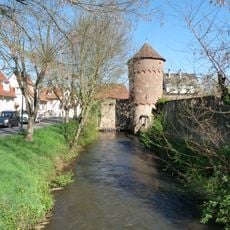
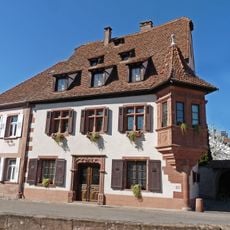
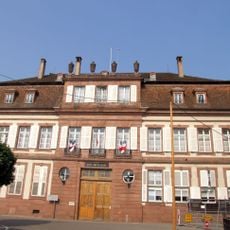
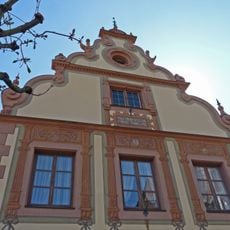
This border town in Bas-Rhin spreads along the Lauter River and is surrounded by forested hills on both sides. Narrow lanes in the historic center wind between timber-framed houses, and sections of the old town wall remain visible at several points.
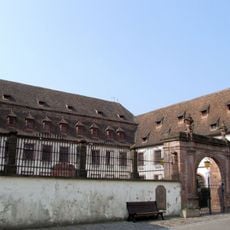
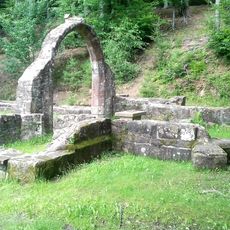
A Benedictine monastery founded in the 7th century formed the origin of the settlement, which later became a free imperial city. The town changed between French and German rule several times from 1648 to 1945, leaving clear traces in its architecture and naming.
The name comes from the Germanic Weißenburg and reflects centuries of close ties to German-speaking culture. Visitors often hear Alsatian dialect spoken in the streets and see bilingual signs at shops and restaurants.
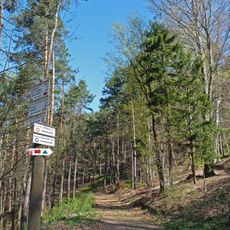
A roughly three-kilometer walking circuit with marked stations runs through the center and passes around 30 historic buildings. Most points of interest lie close together and can be explored on foot within a few hours.
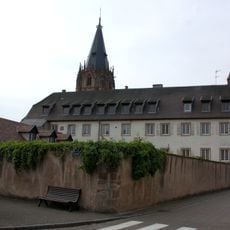
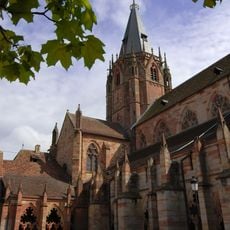
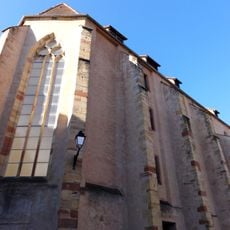
The church of Saints Peter and Paul contains a medieval fresco showing Christ on cloth that ranks among the largest preserved wall paintings of its kind in France. This work from the 14th century covers nearly an entire wall of the choir.
The community of curious travelers
AroundUs brings together thousands of curated places, local tips, and hidden gems, enriched daily by 91,033 contributors worldwide.