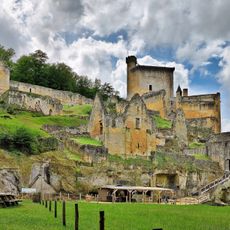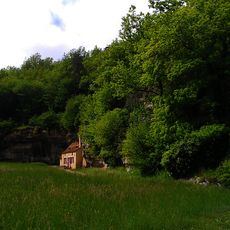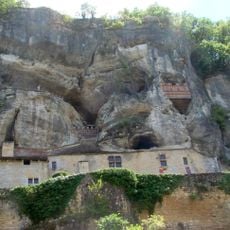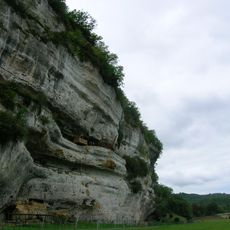
Cap Blanc rock shelter, Prehistoric art cave in Marquay, France
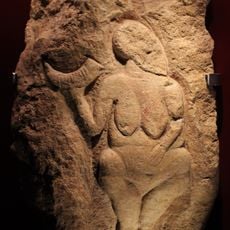
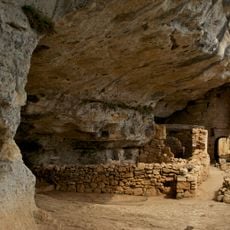
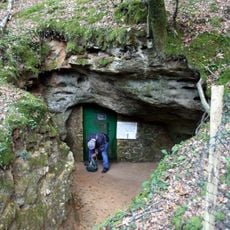
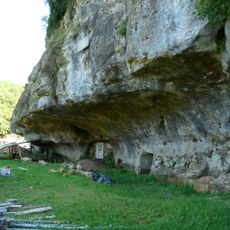
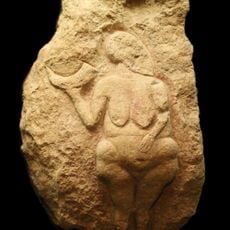
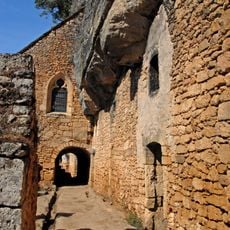
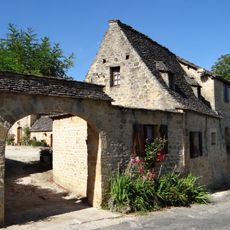
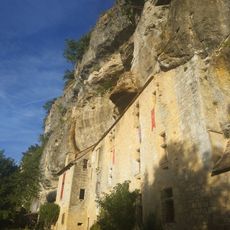
Cap Blanc is a limestone rock shelter with sculpted figures carved directly into its walls during the Magdalenian period. The frieze extends about 16 meters along the stone surface and depicts horses, bison, and ibex with remarkable depth and detail.
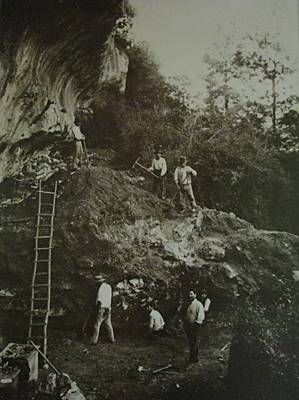
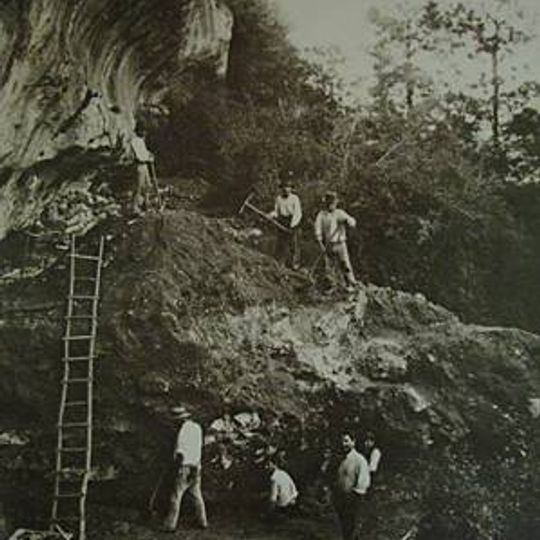
The rock shelter was discovered in 1908 by Raymond Peyrille, with excavations between 1909 and 1911 uncovering stone tools and bones from the Ice Age. These discoveries confirmed that people had inhabited and worked at this site for extended periods.
The carved relief figures show how people depicted the animals they hunted and lived alongside in their environment. These stone sculptures reveal what mattered most to the communities who created them.
The site requires guided visits to protect the fragile carvings and provide proper interpretation of what you see. An on-site museum displays artifacts and helps visitors understand the daily life of those who lived there.
Excavations revealed the skeleton of a young woman found lying near the carved frieze, suggesting she may have been buried at this sacred or significant spot. This rare discovery, now housed in a Chicago museum, creates a direct link between an individual person and the artworks of her time.
The community of curious travelers
AroundUs brings together thousands of curated places, local tips, and hidden gems, enriched daily by 60,000 contributors worldwide.