University of Strasbourg, Research university in Strasbourg, France
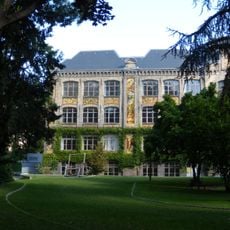
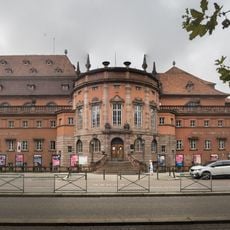
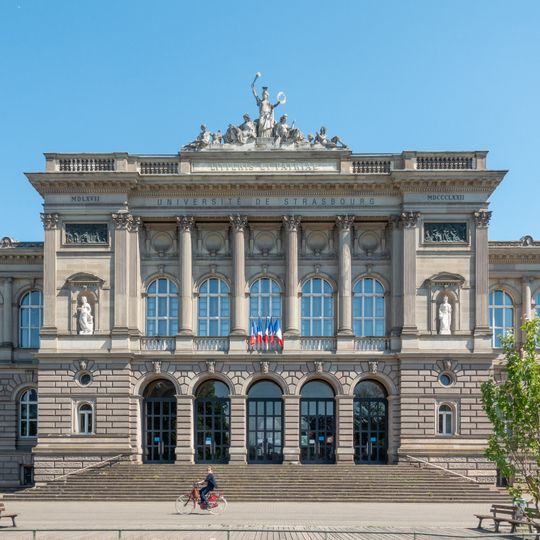
The University of Strasbourg is a public research university with 35 faculties, schools and institutes and 71 laboratories across six campuses, including the historic Neustadt site. Its main Esplanade campus mixes neo-Renaissance German buildings such as the Palais Universitaire, the astronomical observatory and the botanical garden with 1960s structures by Charles-Gustave Stoskopf. The Palais Universitaire facade bears the inscription "UNIVERSITE DE STRASBOURG" between the dates MDLXVII and MDCCCLXXII, above five arched windows framed by tall columns.
Johannes Sturm founded a Lutheran humanist educational institution in 1538, which received university status through royal charter in 1621. The institution changed between German and French control several times, especially after 1870 and 1918, shaping its structure and direction.
The institution carries a name that reflects its roots in the city and today connects local students with peers from across Europe in classrooms and laboratories. Many buildings still display inscriptions and architectural elements that recall the shifts between French and German administration.
The historic Esplanade campus holds the Palais Universitaire, the astronomical observatory and the botanical garden; the Cronenbourg, Illkirch and Medicine campuses lie outside the centre, the last at the old civil hospital. Tram and bus lines of the Strasbourg network serve the sites. The Nouveau Patio, inaugurated in 2010, groups central administrative services in one place.
The university counts two Fields Medalists among its alumni, faculty or researchers, alongside 18 Nobel laureates. Its roll of names includes Goethe, who studied here in 1770–71, statesman Robert Schuman, historian Marc Bloch and chemist Louis Pasteur.
The community of curious travelers
AroundUs brings together thousands of curated places, local tips, and hidden gems, enriched daily by 94,405 contributors worldwide.