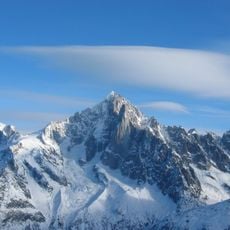
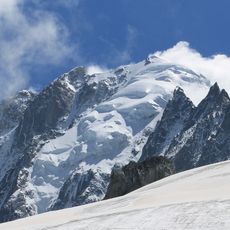
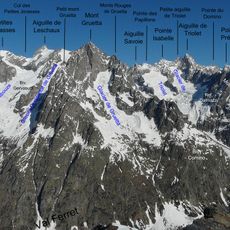
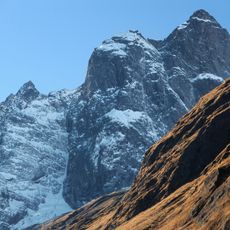
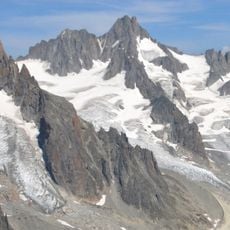
Aiguille de Triolet, Alpine summit in Mont Blanc massif, France and Italy
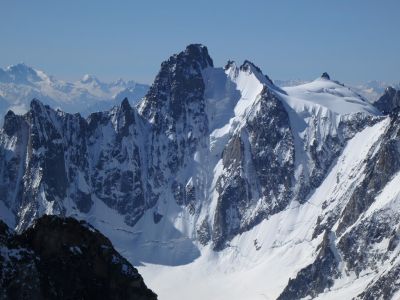
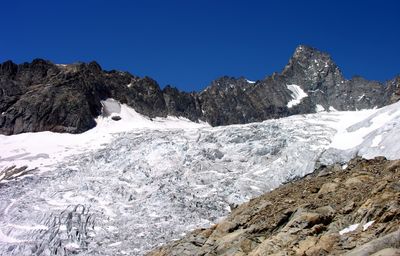
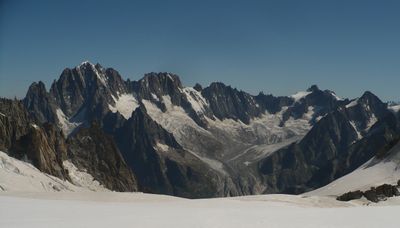
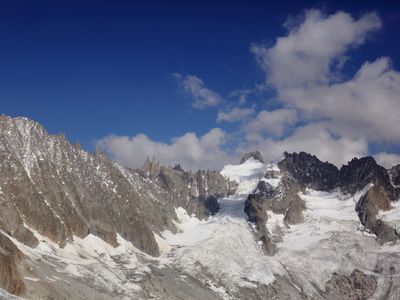
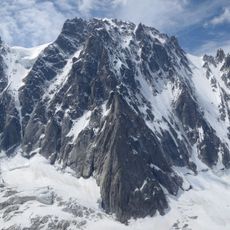
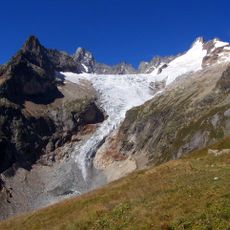
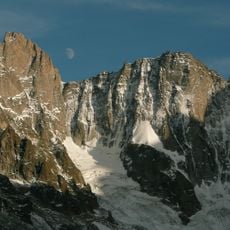
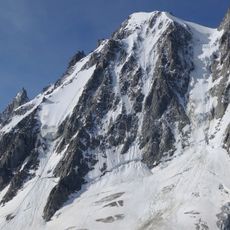
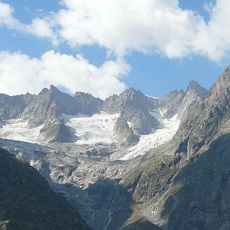
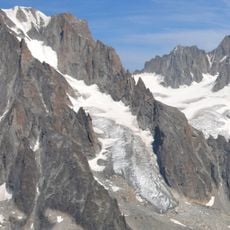
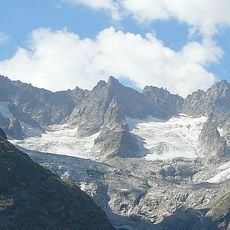
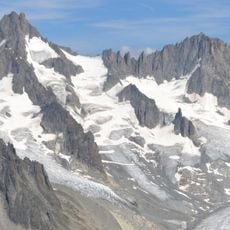
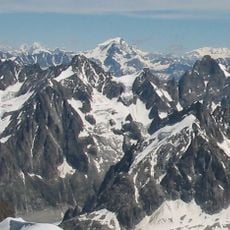
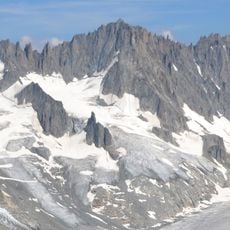
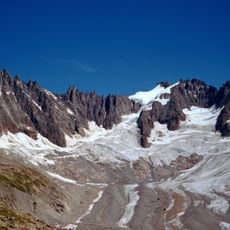
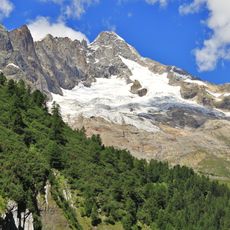
Aiguille de Triolet is a 3,870-metre summit on the France–Italy border, on the ridge that also carries Mont Dolent and the Grandes Jorasses. It closes the cirques of the Talèfre, Argentière, Triolet and Pré de Bar glaciers and has three faces: north (Argentière), east (Pré de Bar) and south (Triolet). The rock is protogine, a green-tinted granite.
Three mountaineers named Marshall, Almer, and Fischer reached the summit for the first recorded time on August 26, 1874. This early ascent became an important milestone in the development of technical mountaineering in the Mont Blanc range.
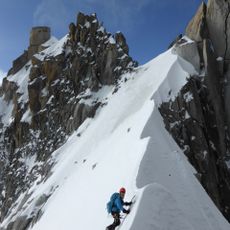
The north face, first climbed in 1931 by Robert Gréloz and André Roch without a guide, is counted among the classic ice routes of the Alps. The normal route on the French side, opened in 1900 by Thomas Maischberger, Hainrich Pfannl and Franz Zimmer, goes via the Talèfre glacier and the Col de Triolet. In October 1996 Patrick Gabarrou and Philippe Batoux opened the free Tibet route on the south face.
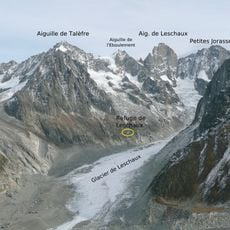
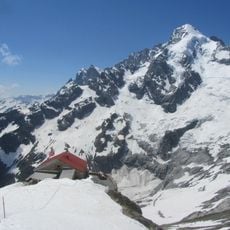
Climbers can approach this summit from either the Refuge d'Argentière on the French side or the Rifugio Dalmazzi on the Italian side, each offering shelter and support for the ascent. Both refuges provide a good base for planning the climb and storing equipment before attempting the technical sections.
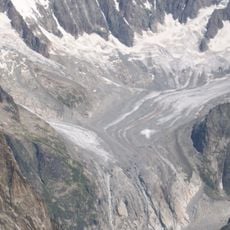
From the summit, four distinct ridges separate multiple glacial basins, including the Argentière Glacier to the north and the Pré de Bar to the south. This arrangement makes the location a key point for understanding how glaciers and valleys connect across the border.
The community of curious travelers
AroundUs brings together thousands of curated places, local tips, and hidden gems, enriched daily by 94,024 contributors worldwide.