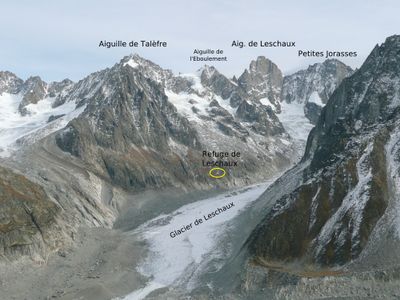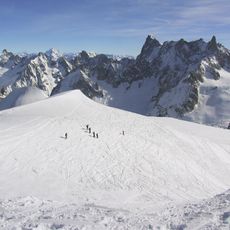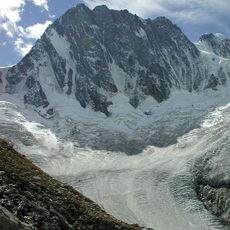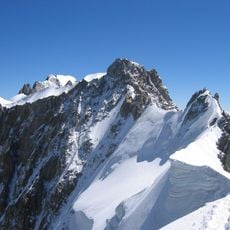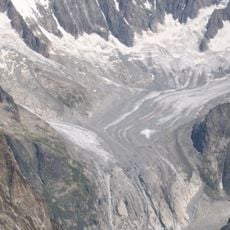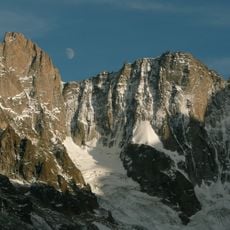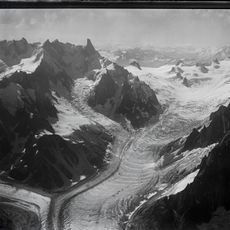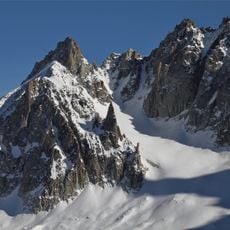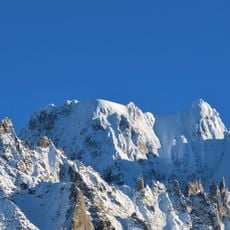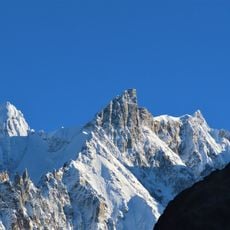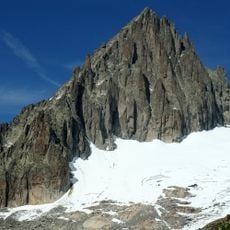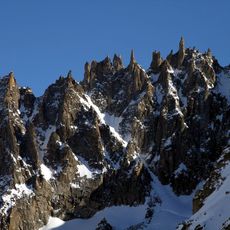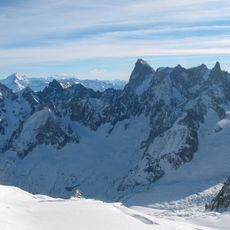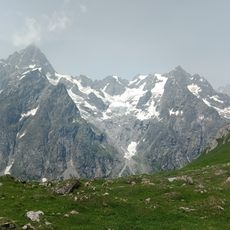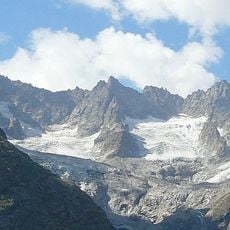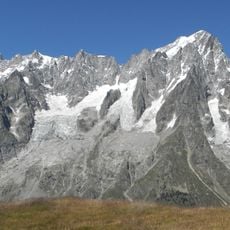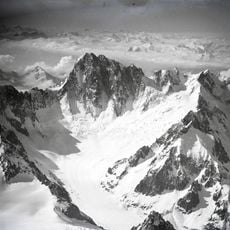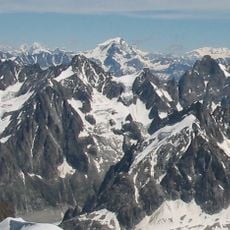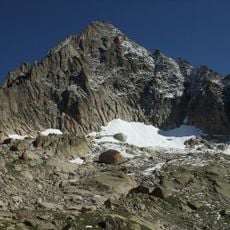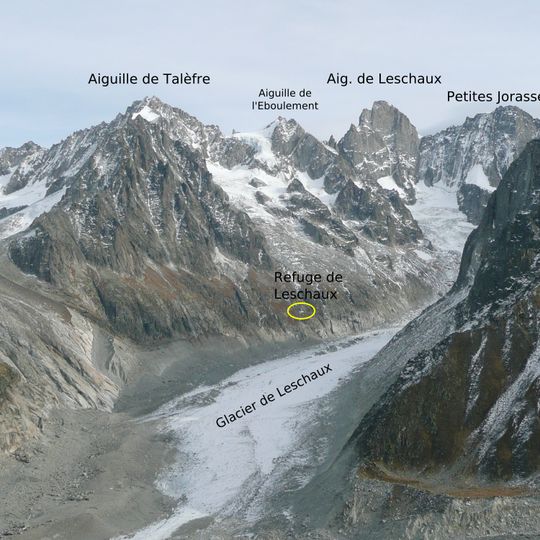
Glacier de Leschaux, Alpine glacier in Chamonix-Mont-Blanc, France.
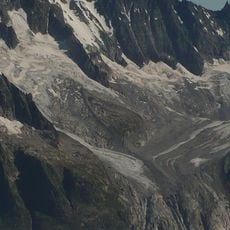
Glacier de Leschaux is a large ice mass in the Mont Blanc massif that connects with other glaciers to form part of the region's expansive ice system. Its surface displays deep crevasses and undulating patterns created by the slow movement of ice downslope.
Early exploration was documented in 1741 when travelers first recorded their observations and helped challenge local myths about the mountains. Since then, growing interest in mountaineering during the 1800s brought increased attention to the region and its ice formations.
The ice formation has shaped how locals and visitors understand the high mountains for centuries, becoming a key reference point in the landscape around Chamonix. Today, seeing it remains a central experience for anyone visiting the region, drawing people to the peaks and valleys.
Best access is by marked trails during warmer months when conditions are safer and paths remain clear. Hiring experienced guides is wise since weather can change rapidly at high altitude and the terrain demands proper preparation.
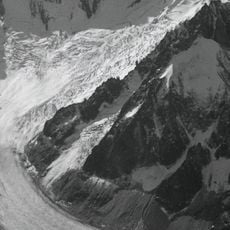
The ice mass moves continuously downslope at varying speeds depending on the season and temperature changes. This constant movement creates and reshapes the crevasses visible at the surface, making the glacier an active and dynamic system.
The community of curious travelers
AroundUs brings together thousands of curated places, local tips, and hidden gems, enriched daily by 92,115 contributors worldwide.