Campan, commune in Hautes-Pyrénées, France
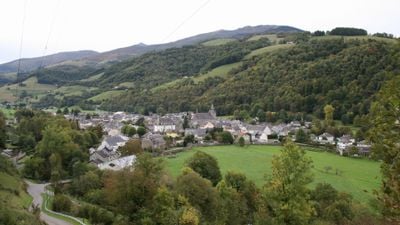
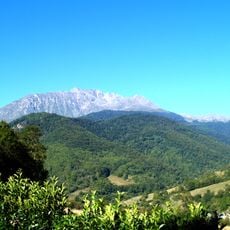
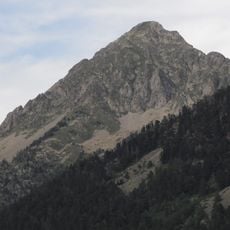
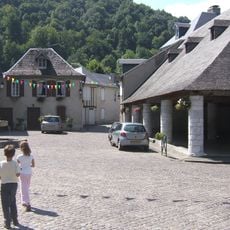
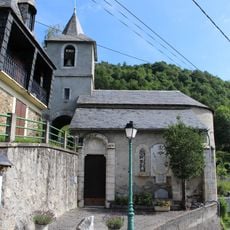
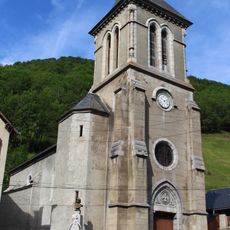
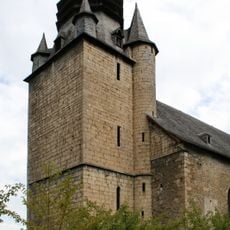
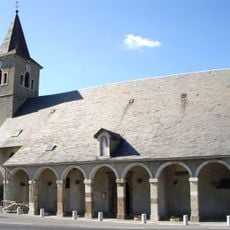
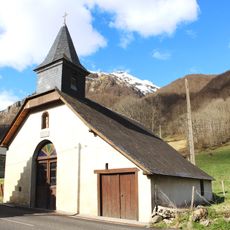
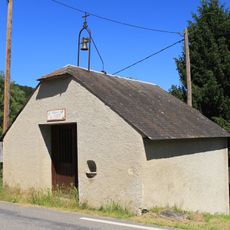
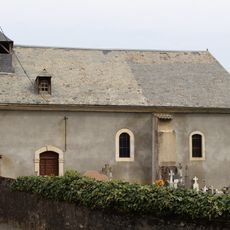
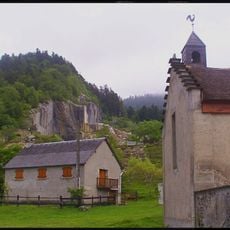
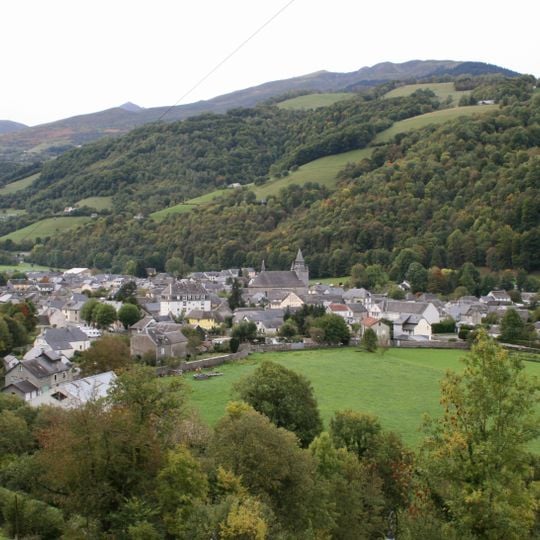
Campan is a commune in the Hautes-Pyrénées department, set in a broad mountain valley south of Bagnères-de-Bigorre. It is made up of several small hamlets with stone houses surrounded by forests, meadows, and the slopes of the Pyrenees.
The area around Campan has been inhabited since antiquity and was later part of the county of Bigorre, which shaped life in this part of the Pyrenees for centuries. Marble quarrying in the surrounding mountains gave the commune its main economic role from the 17th century onward.
The Mounaques are cloth dolls that have been part of Campan's village life since the 1800s and can be spotted on balconies, in gardens, and along the streets. They are still handmade today and appear throughout the year, especially during seasonal gatherings.
Campan is easy to reach by road from Bagnères-de-Bigorre and works well as a starting point for walks into the surrounding mountains. The summer months offer the best conditions for exploring the trails and the nearby hamlets.
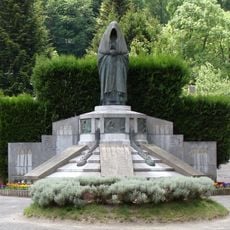
The village war memorial from 1926 shows a grieving woman in traditional regional dress, which is very rare for French memorials of that period. Rather than showing military glory, it places the pain of the families left behind at its center.
The community of curious travelers
AroundUs brings together thousands of curated places, local tips, and hidden gems, enriched daily by 91,267 contributors worldwide.