Pont au Change, Road bridge in central Paris, France
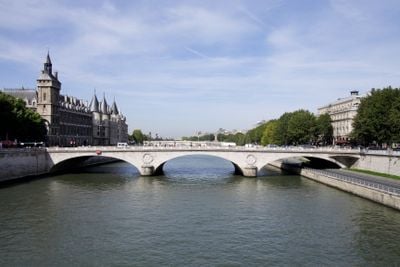
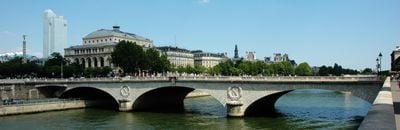
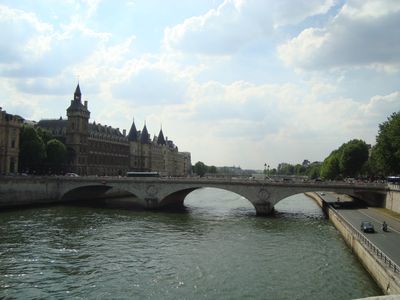
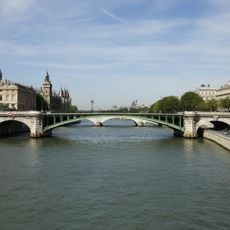
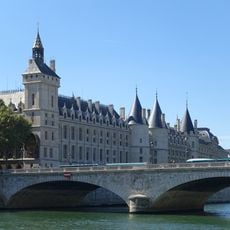
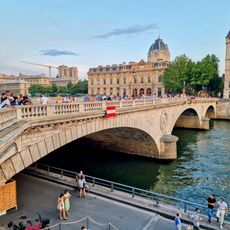
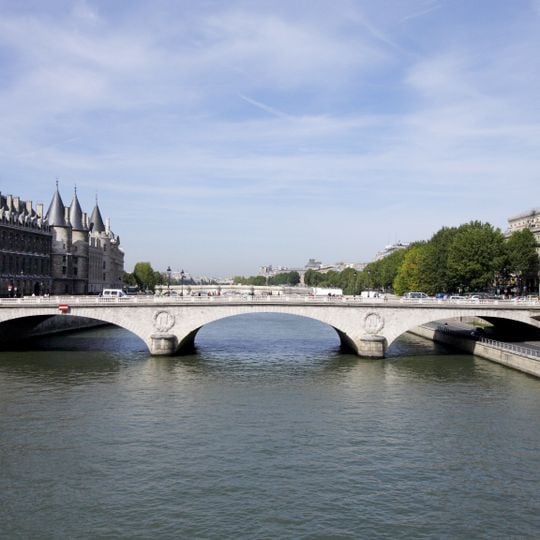
The Pont au Change is a road bridge crossing the Seine that connects the 1st and 4th arrondissements and measures 103 meters long. The structure features three elliptical stone arches supporting an 18-meter wide roadway and two 6-meter wide sidewalks.
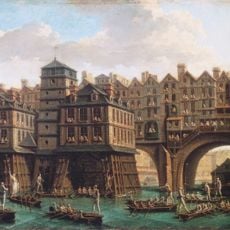
A wooden Grand-Pont stood here by the 9th century; floods in 1196, 1206 and 1280 carried off six arches, and the December 1296 flood destroyed it. Rebuilt with shops, it burned in October 1621. The stone bridge of 1639-1647, funded by goldsmiths and jewellers, was replaced by the present structure, built 1858-1860 under Napoleon III.
The name comes from a 1141 ruling by Louis VII that required money changers and goldsmiths to live and work on the bridge. In the 17th century it was nicknamed "pont aux Oiseaux" because bird sellers were allowed to trade there, provided they released pigeons when the king entered. Victor Hugo set Javert's suicide here in Les Misérables (1862).
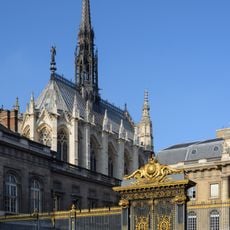
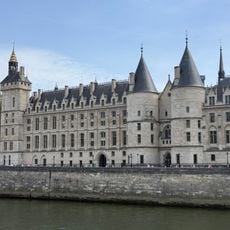
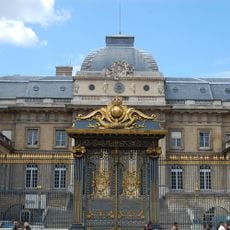
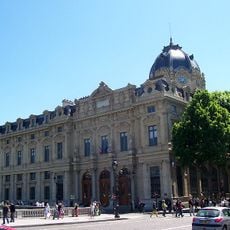
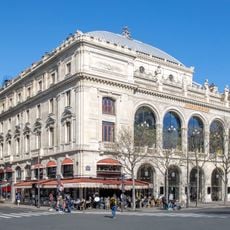
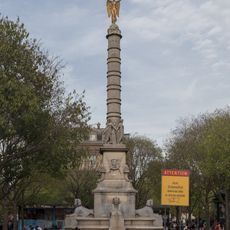
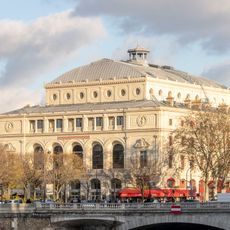
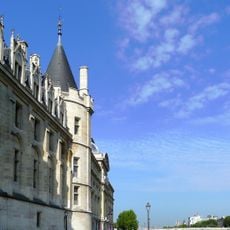
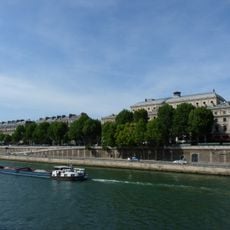
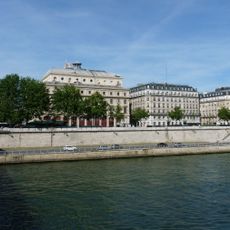
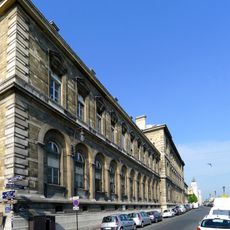
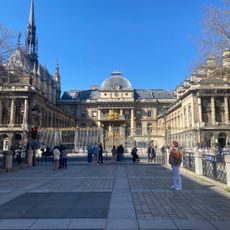
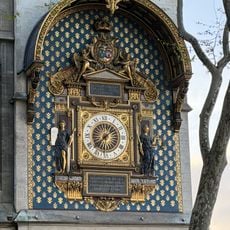
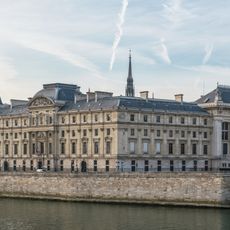
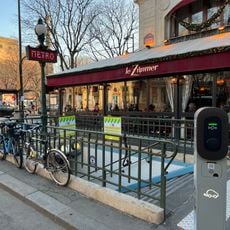
The bridge links the Île de la Cité, at the Palais de Justice and Conciergerie, to the Right Bank at the Place du Châtelet, and marks the border of the 1st and 4th arrondissements. The Pont Saint-Michel continues the line toward the Left Bank. Métro lines 1, 4, 7, 11 and 14 stop at Châtelet.
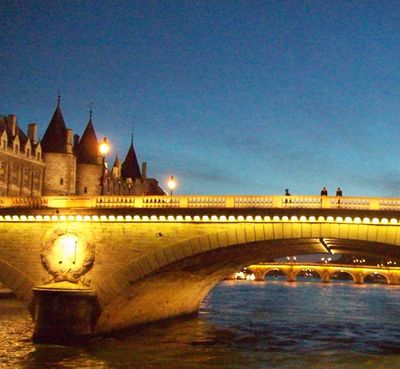
The bridge bears Napoleon's imperial N insignia carved by sculptor Cabat, which also appears on the nearby Pont Saint-Michel. This shared decoration connects the two bridges as works from the same construction period.
The community of curious travelers
AroundUs brings together thousands of curated places, local tips, and hidden gems, enriched daily by 93,476 contributors worldwide.