Château de Mortefontaine, Heritage castle in Mortefontaine, France
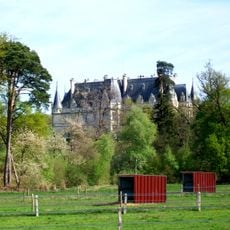
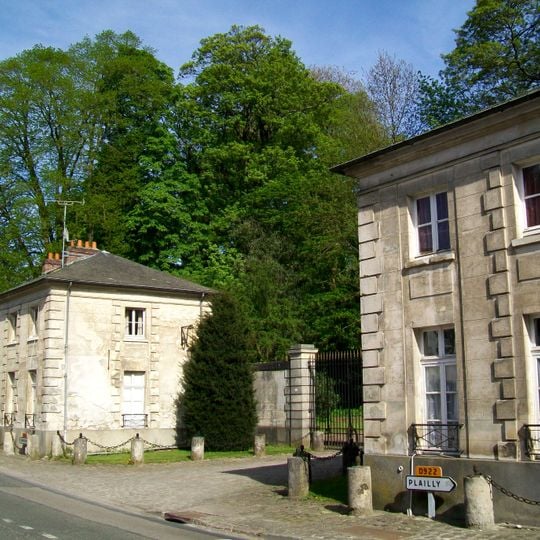
Château de Mortefontaine is a stone structure featuring classical French architecture with symmetrical wings, tall windows overlooking a central courtyard, and surrounding gardens laid out in formal patterns. The building displays the refined details and craftsmanship characteristic of early modern European aristocratic residences.
Philippe Hotman, lord of Plailly-Montmélian, had the château built between 1600 and 1630. In 1654 the seigneurie was raised to a marquisate for Jacques le Coigneux, though its administrative seat stayed at Plailly. Joseph Bonaparte made it his country residence from 1798 to 1814, and it later served as a school from 1949 to 1958 and a luxury hotel from 1987.
Joseph Bonaparte made the château his country residence from 1798 to 1814, and it became a centre of social life. In April 1800 his house hosted the talks between French and American envoys that produced the Convention of Mortefontaine. The future King Oscar I of Sweden also stayed here as a boy with his mother Desideria and her sister Julie Clary, Joseph's wife.
The castle remains a private residence and is generally not open to the public for interior visits. Visitors can appreciate the exterior architecture and grounds from outside, or check locally for any occasional open house events.
The park's English garden was laid out from 1770 by Louis III Le Peletier, friend of René-Louis de Girardin, on the model of Ermenonville. It held a Chinese pavilion, an obelisk, a column, a valley of tombs, an ice house under a pavilion and many animal statues. Nothing significant of it survives on this part of the estate.
The community of curious travelers
AroundUs brings together thousands of curated places, local tips, and hidden gems, enriched daily by 93,492 contributors worldwide.