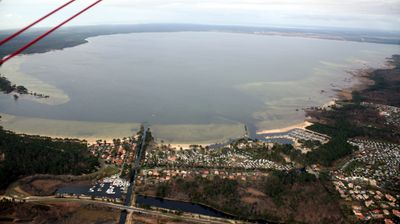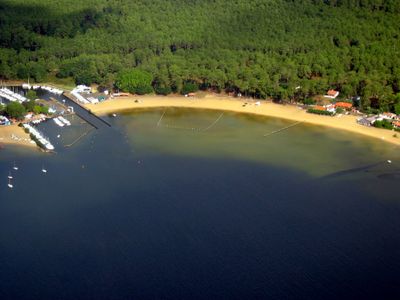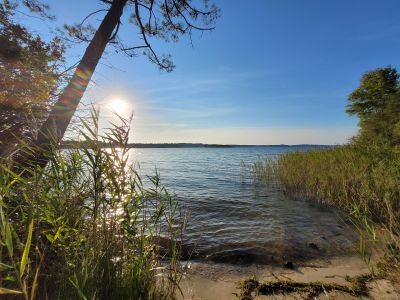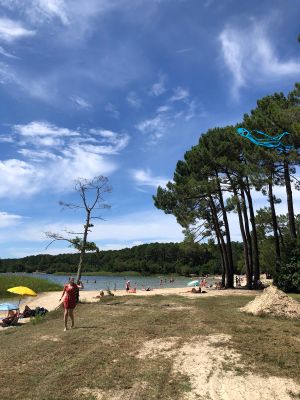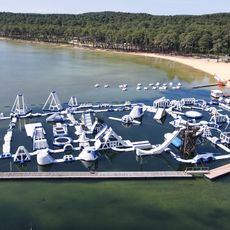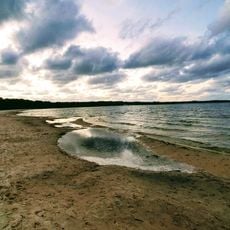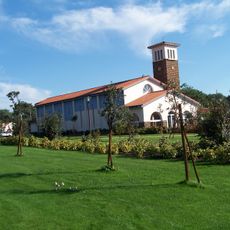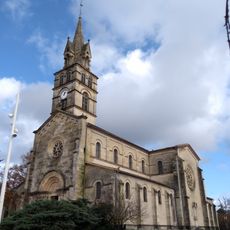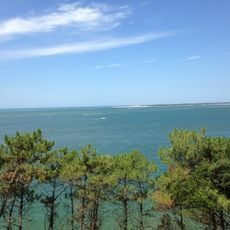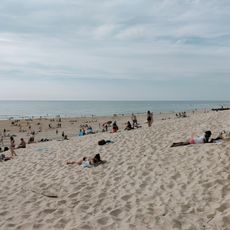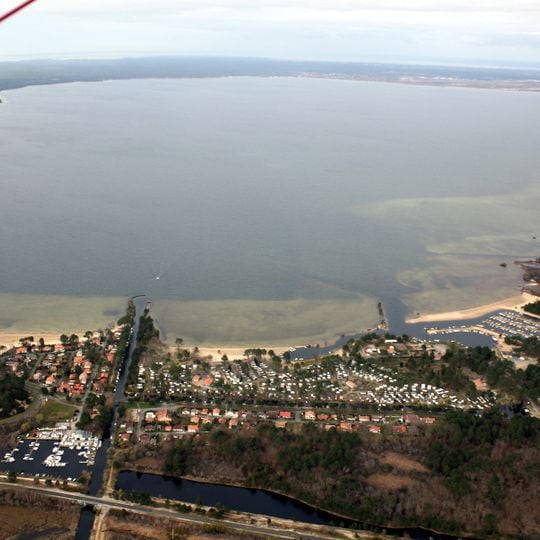
Étang de Cazaux et de Sanguinet, Artificial pond in Gironde, France.
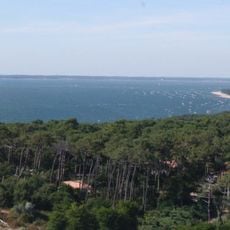
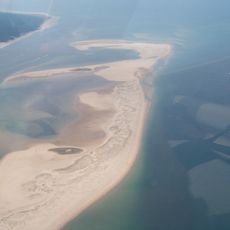
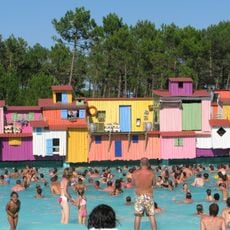
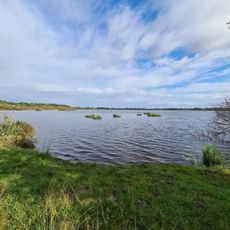
The Étang de Cazaux et de Sanguinet is an artificial lake in southwestern France's Gironde region that covers a vast area. The body of water has deep sections and is bordered by shallow shores where recreation and water activities take place.
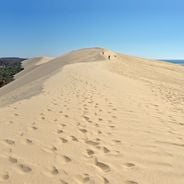
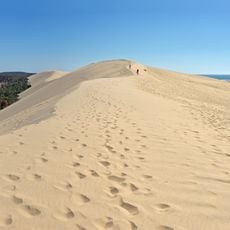
The lake formed when sand dunes blocked the Gorgue river, causing water to rise and flood the Roman settlement of Losa. Over time, additional villages became submerged as the water level continued to climb.
The museum in Sanguinet displays objects found during underwater explorations of the drowned settlements below the lake. These artifacts show how people lived in the villages before the water rose.
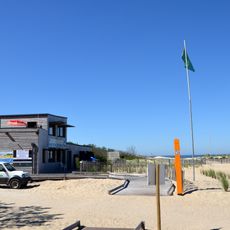
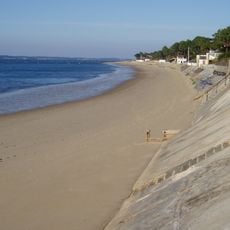
The lake has multiple access points along its shore where visitors can swim, sail, kayak, paddleboard, and fish. These activities are generally available year-round, with water temperature determining the most comfortable times.
Three complete ancient villages rest beneath the water's surface, representing different periods of human settlement. Diving expeditions have explored these submerged communities and recovered many artifacts now displayed in local museums.
The community of curious travelers
AroundUs brings together thousands of curated places, local tips, and hidden gems, enriched daily by 91,064 contributors worldwide.