Enable Location

We need your location to show you interesting places around you

Discover nearby places

Find interesting locations and hidden gems around you

Precise directions

Get accurate directions and distances to places

Your location is never shared with other users. It's only used when you tap the location button.

Fort de Bouc

Log in to your account

Start exploring — it's free

Trusted by 63,020 travelers worldwide

Continue with Google
Continue with Apple
or

We will send you a code to connect

By continuing, you accept our Terms and Conditions and our Privacy Policy

Check your inbox

We've sent a pincode in your inbox. Please enter the code below.

Discussion Reviews 1 Photos 1 Collections
500+ Popularity

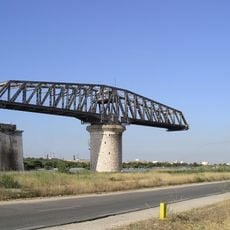
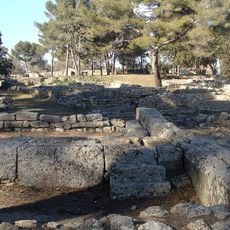
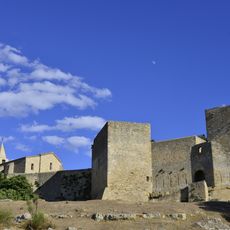
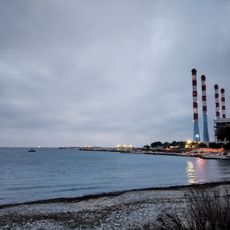
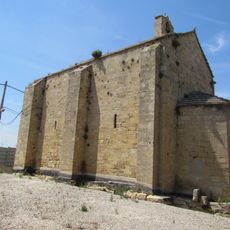
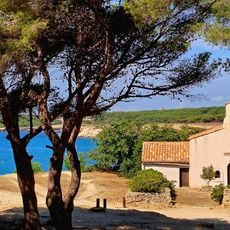
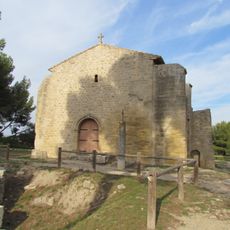
Fort de Bouc, fort à Martigues (Bouches-du-Rhône)

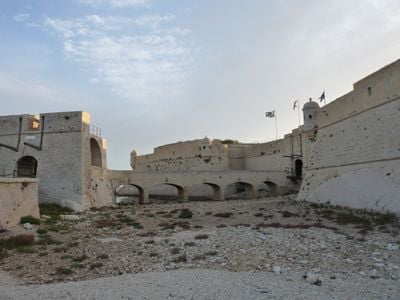
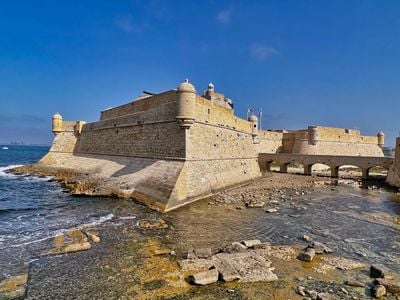
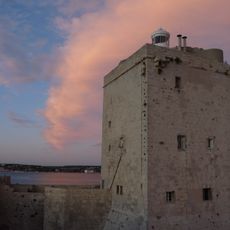
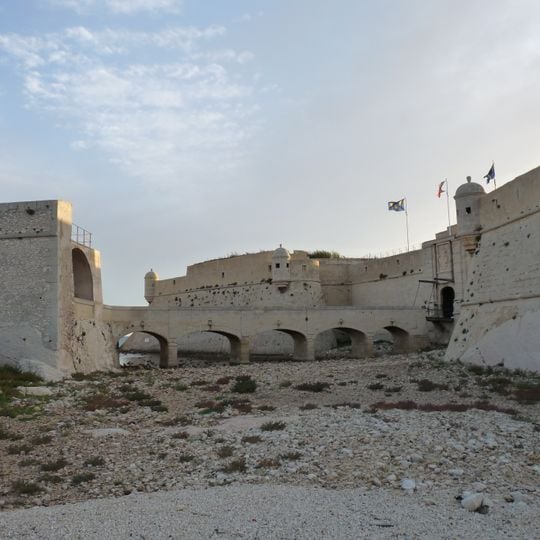
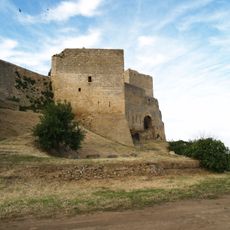
Fort de Bouc is a historic fortress built on a small rocky island at the entrance to the Canal de Caronte, which connects to the Gulf of Fos. The main square tower dates from the 15th century and stands within thick stone walls that rise from the water and create a commanding position over the waterway.

Built in the 13th century to protect the entrance to the Canal de Caronte, the fort was strengthened in the 1600s by French engineers who added thick walls and angled bastions. It served as an active military post monitoring the coast until the late 1800s, when its military role ended and it was decommissioned in 1889.

The name 'Bouc' comes from Provençal and means 'river mouth', reflecting the fort's location at this important waterway crossing. For centuries, local sailors and soldiers used this place to watch the sea and understand the rhythm of maritime life in the region.

The fort sits on an island and can be reached by walking paths or boat depending on conditions and access policies. Walking the perimeter on the old ramparts gives excellent views of the water, though the ground is uneven and often windy, so sturdy shoes are recommended.

During World War II, the Germans occupied the fort and the Allies later damaged parts of it to prevent further military use, leaving visible scars that tell of this conflict. The Bonnefons family, a line of French engineers, directed the major reinforcement work in the early 1600s and shaped much of the fort's current appearance.

The community of curious travelers

AroundUs brings together thousands of curated places, local tips, and hidden gems, enriched daily by 60,000 contributors worldwide.
Start exploring
Location
Address
13117 Martigues, France
Phone
GPS coordinates
43.39360,4.98590
Latest update
December 15, 2025 09:14
Filming locations of The Count of Monte Cristo

The 2024 film The Count of Monte Cristo, directed by Matthieu Delaporte and Alexandre de La Patellière, was shot in places full of history. This film journey moves through France, from the Mediterranean coast to the Île-de-France region, passing through Belgium and Malta. You will see how the...

Reviews
Share your experience

No review yet

Discussions
Start a discussion...

No discussion yet

« Fort de Bouc - fort à Martigues (Bouches-du-Rhône) » is provided by Around Us (aroundus.com). Images and texts are derived from Wikimedia project under a Creative Commons license. You are allowed to copy, distribute, and modify copies of this page, under the conditions set by the license, as long as this note is clearly visible.

Discover hidden gems everywhere you go!

From secret cafés to breathtaking viewpoints, skip the crowded tourist spots and find places that match your style. Our app makes it easy with voice search, smart filtering, route optimization, and insider tips from travelers worldwide. Download now for the complete mobile experience.
Around Us App Screenshot

A unique approach to discovering new places

Le Figaro

All the places worth exploring

France Info

A tailor-made excursion in just a few clicks

20 Minutes

Around Us
Travel Guide & Maps
Download

Send to your phone

QR Code
1

Open the camera app on your mobile.

2

Point at the QR code with your camera. A notification will appear.

3

Tap the notification to open the link.