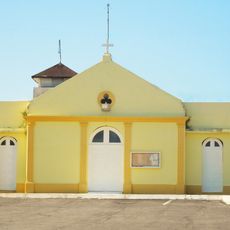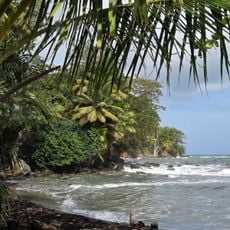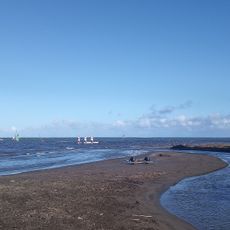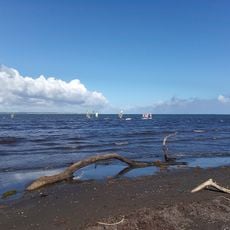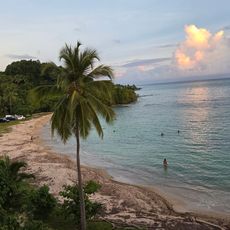
Plage de Roseau, Coastal beach in Capesterre-Belle-Eau, Guadeloupe.
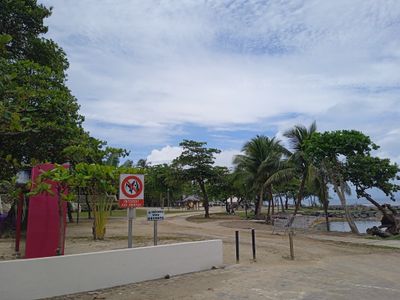
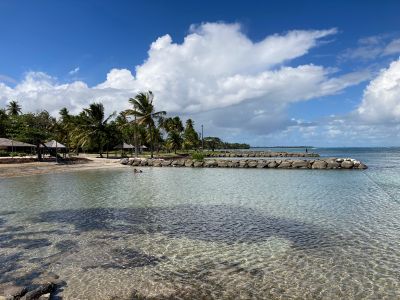
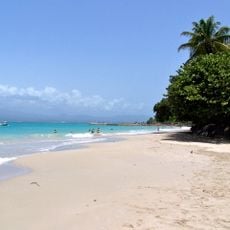
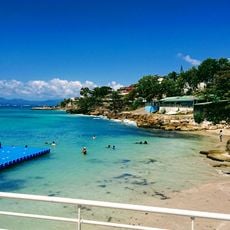
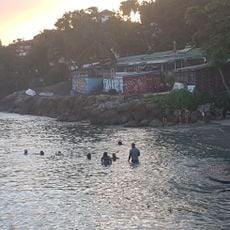
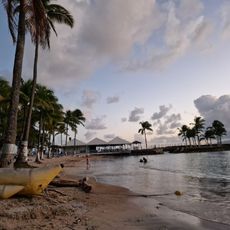
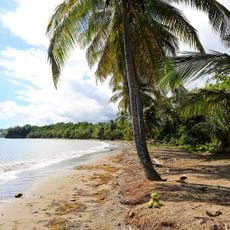
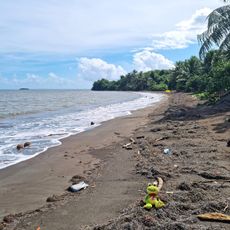
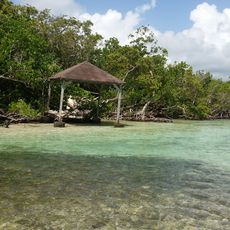
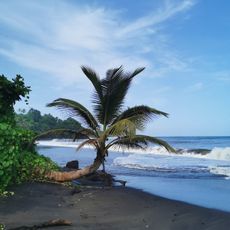
Plage de Roseau is a 350-metre beach of black volcanic sand between Goyave and Capesterre-Belle-Eau, running from Pointe du Carénage north to Pointe Constant south. It is laid out as separate swimming basins divided by low dikes and sheltered by a coral reef, with carbets, tables, showers and a car park behind the sand.
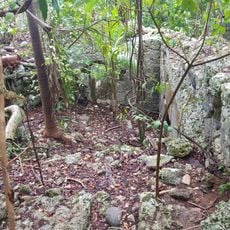
In July 1966 archaeologist Edgar Clerc found about twenty potsherds on the surface here. Work resumed in the 1990s with G. Richard and E. Gassies, who identified a natural ravine used as a refuse pit with fill in three main levels. Radiocarbon dating of the pottery places occupation of the site between 1000 and 1500 AD.
The beach's name, Roseau, is the French word for reed. Excavations in July 1966 by Edgar Clerc uncovered around twenty potsherds on the surface; work resumed in the 1990s under G. Richard and E. Gassies. They identified a natural ravine used as a refuse pit, its fill layered in three main levels, with pottery dated by radiocarbon to an occupation between 1000 and 1500 AD.
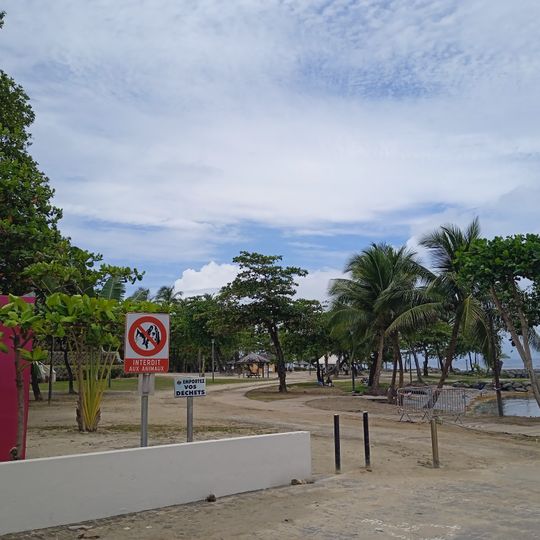
The beach lies between Pointe du Carénage to the north and Pointe Constant to the south, 350 m long, with parking, carbets, tables and showers on site. The coral reef barrier shelters separate bathing basins divided by dikes, so swimming stays in shallow, enclosed water. Signs at the entrance forbid animals and littering.
The multiple man-made coves with varying water depths and current patterns create different swimming conditions in one location. This makes the beach adaptable for visitors with different abilities and water preferences.
The community of curious travelers
AroundUs brings together thousands of curated places, local tips, and hidden gems, enriched daily by 92,915 contributors worldwide.