Guadeloupe National Park, National park in Guadeloupe, France
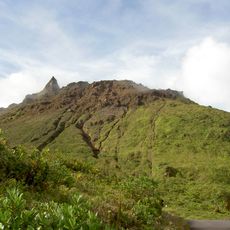
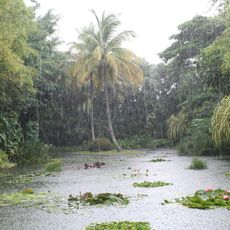
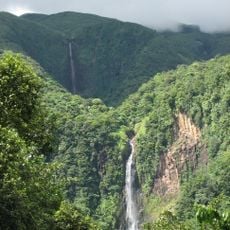
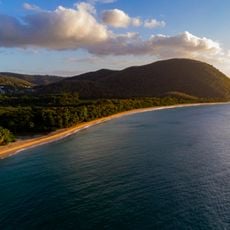
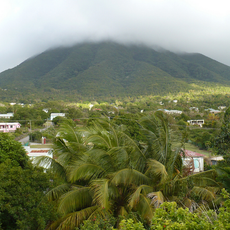
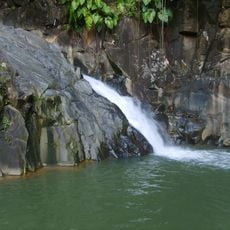
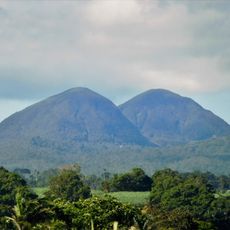
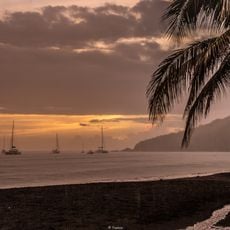
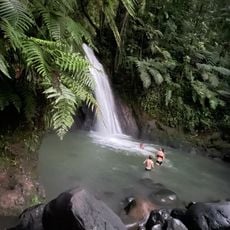
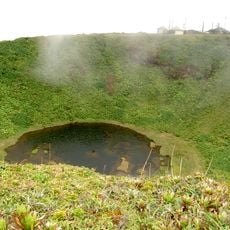
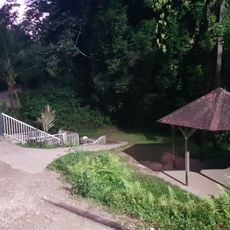
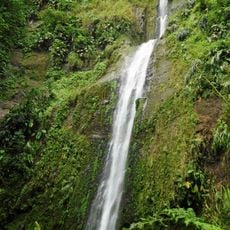
The park spreads across the Basse-Terre region and includes tropical rainforests, mangroves, coral reefs, and volcanic slopes at different elevations. These varied habitats create a patchwork of ecosystems that visitors encounter along walking routes.
The area became France's first overseas national park in 1989, marking a shift toward stronger protection of the region. UNESCO designated it a Biosphere Reserve three years later, bringing international recognition to its ecological importance.
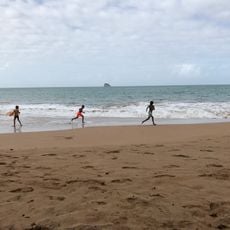
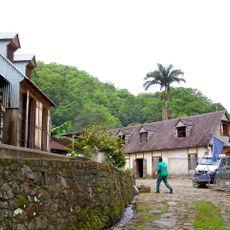
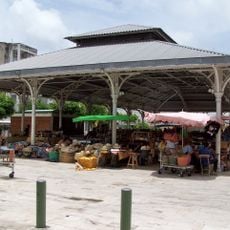
The territory holds deep meaning for local communities who depend on its waters and forests for their livelihoods and cultural identity. Daily use by residents reflects how traditional practices continue alongside conservation efforts today.
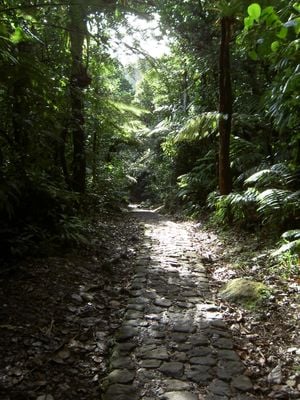
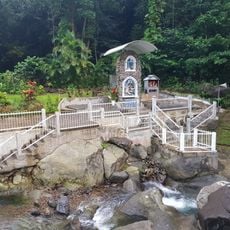
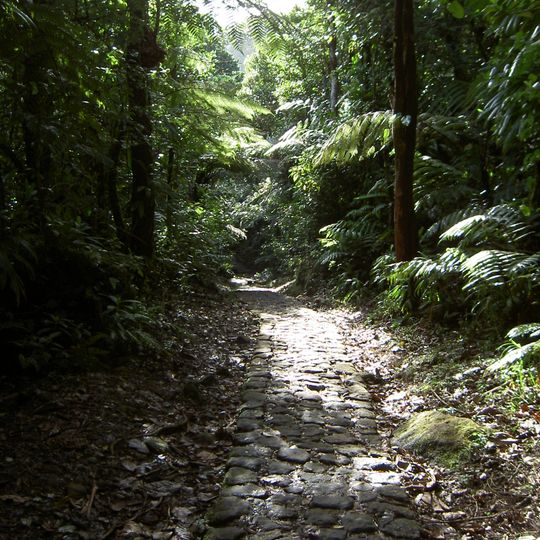
The area features marked trails of varying difficulty that lead through different habitats and elevations. Visitors should prepare for humid conditions and bring proper footwear and water, as routes pass through dense vegetation and sometimes steep terrain.
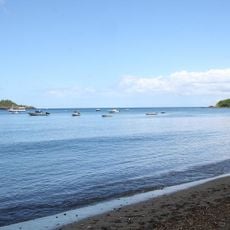
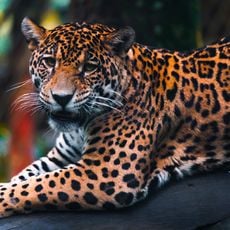
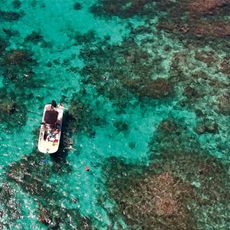
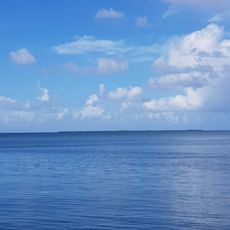
The protected area holds a significant share of bird species found nowhere else in the world, preserving wildlife that exists only in the Antilles. Underwater, it contains one of the longest coral reef systems in the Lesser Antilles, supporting abundant marine life.
The community of curious travelers
AroundUs brings together thousands of curated places, local tips, and hidden gems, enriched daily by 91,662 contributors worldwide.