Chapelle Saint-Étienne de l'île de Ratonneau, Neoclassical chapel on Ratonneau island, France
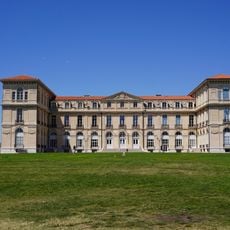
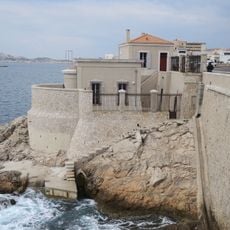
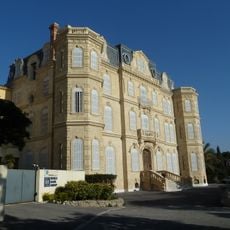
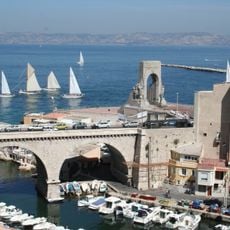
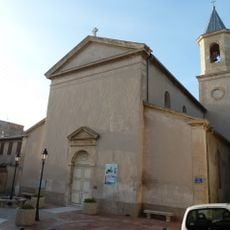
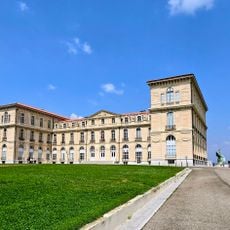
Chapelle Saint-Étienne de l'île de Ratonneau is a neoclassical structure inspired by Greek temple design, with clean lines and balanced proportions throughout its facade. The small chapel sits within the historic harbor complex and forms the spiritual center of what was once a quarantine station.
The structure was designed and built in 1828 by Michel-Robert Penchaud as part of a quarantine complex for arriving ships at the Frioul archipelago. It emerged during an era when Marseille received vessels from distant lands and required protective measures against disease.
The chapel is dedicated to Saint Stephen, a name borne by the islet of Ratonneau itself, and it stood at the heart of the quarantine station where crews from plague- and cholera-stricken ports waited out their confinement. Services were held for these men, and the building still marks the point where the harbour's medical and religious life met.
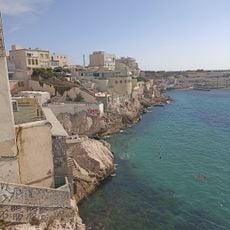
The chapel stands on Ratonneau, one of the Frioul islands, reached by boat from Marseille; crossings run mainly in the warmer months and are weather-dependent. The island has little shade and no drinking water on the paths, so carry water and sun protection. The chapel is a short walk from the landing point, on uneven stone ground.
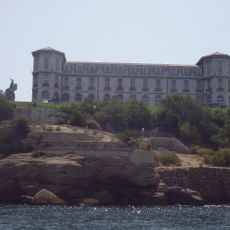
The chapel stands on the Île de Ratonneau, part of the Frioul archipelago, where Penchaud's quarantine complex also included the Hôpital Caroline nearby. Its temple front faces the harbour, so sailors held in quarantine could follow services from their anchored ships. Look for the plain pediment and columns, austere details suited to a building meant for crews under observation rather than for a city parish.
The community of curious travelers
AroundUs brings together thousands of curated places, local tips, and hidden gems, enriched daily by 92,873 contributors worldwide.