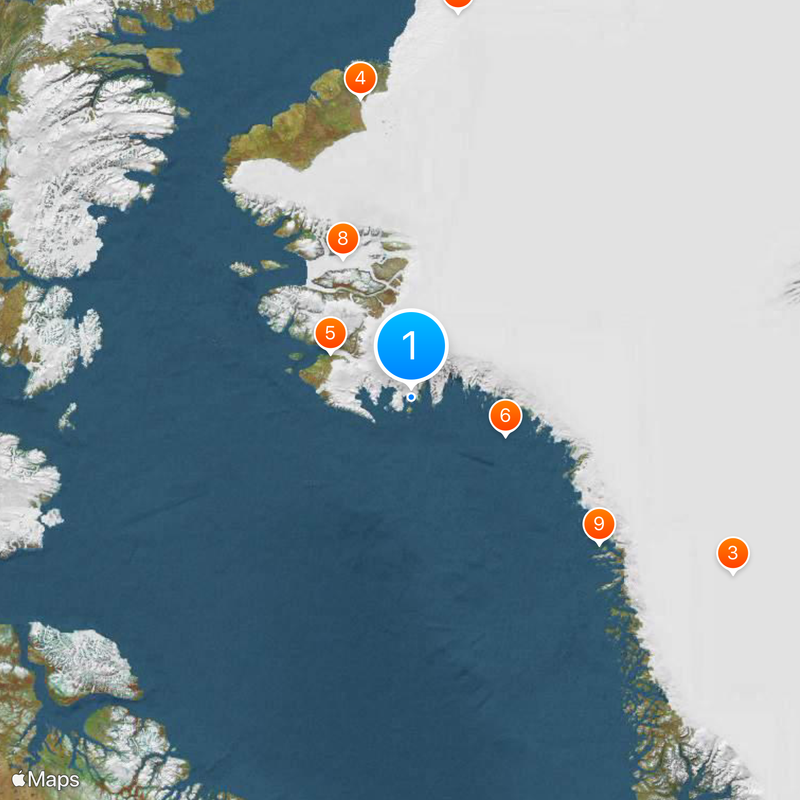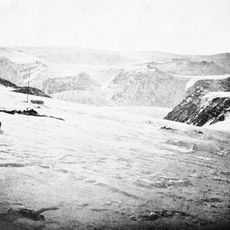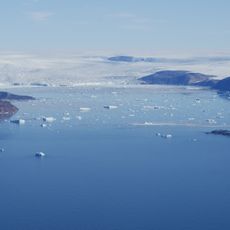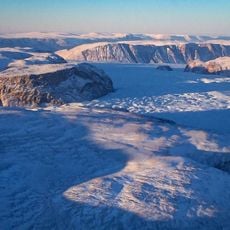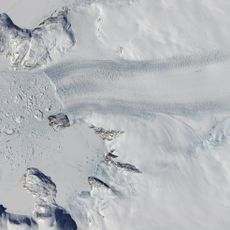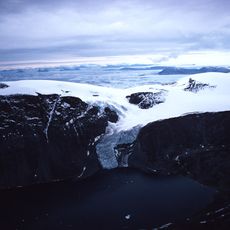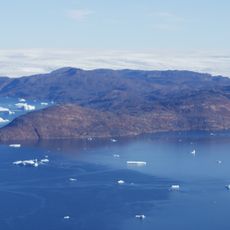
Cape York meteorite, Iron meteorite in Avannaata, Greenland
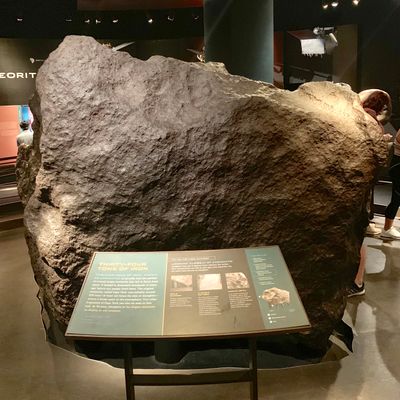
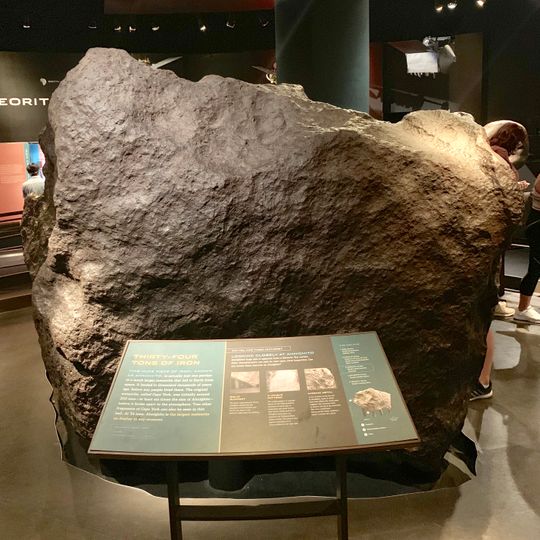
The Cape York meteorite comprises eight large fragments totaling 58 tonnes, containing high nickel levels and troilite nodules. The largest piece, Ahnighito, weighs around 31 tonnes and remains on permanent display at the American Museum of Natural History in New York.
Robert Peary led expeditions in 1894 to recover substantial meteorite fragments, requiring careful planning and specialized transport methods. These missions marked a turning point in the modern collection of celestial materials.
The Inuit named these meteorite fragments Saviksue, meaning Great Irons, and shaped them into tools through cold forging techniques. This metalworking practice became central to their tool-making traditions.
The largest fragment is displayed at the American Museum of Natural History in New York, accessible to visitors. To see this meteorite, travelers need to visit New York, as only smaller pieces remain in Greenland.
An arrowhead made from meteoritic iron was discovered in 1976 during excavations of a Norse farm in Nuuk. This find shows that Vikings used the material during their time in Greenland.
The community of curious travelers
AroundUs brings together thousands of curated places, local tips, and hidden gems, enriched daily by 91,329 contributors worldwide.