Hubbard Gletscher, glacier in Greenland
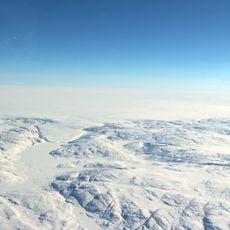
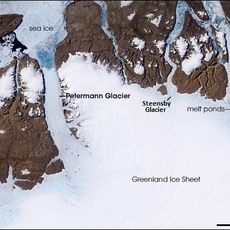
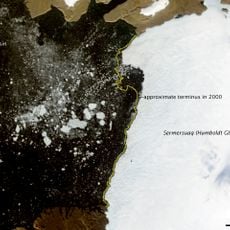
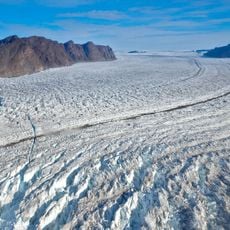
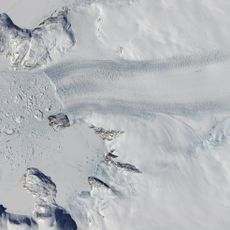
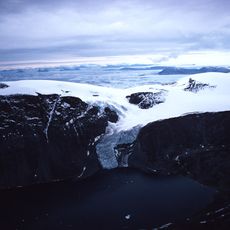
Hubbard Gletscher is a large ice stream in northwestern Greenland that extends from the interior toward Inglefield Fjord. Its surface shows cracks and jagged ice blocks, while it moves steadily toward the sea, carving a wide path through the frozen landscape.
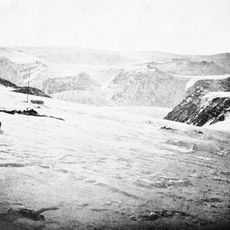
The ice stream was named by polar explorer Robert Peary after Gardiner Greene Hubbard, an early president of the American Geographical Society. The glacier has developed slowly over thousands of years from the Greenland Ice Sheet, standing as evidence of long-term shaping by changing temperatures.
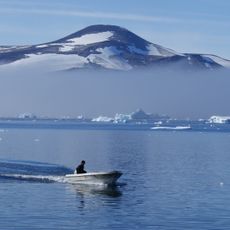
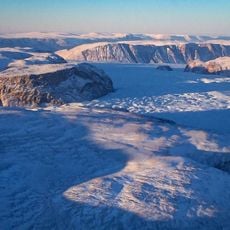
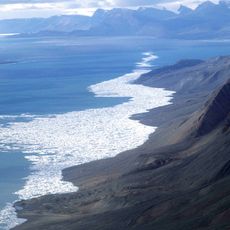
The ice stream shapes the identity of Greenland's Arctic landscape and is watched by residents and researchers as a sign of change. Its flow connects the inland ice sheet to the sea, creating a visible boundary between the frozen mountain regions and the open waters of the fjord.
Visitors should prepare for cold temperatures and rapidly changing weather by dressing warmly. The ice stream is best observed during colder months when the ice is stable, and access typically requires boat trips or small flights to nearby locations.
The glacier displays shifting colors and reflections on its surface, especially when the sun hangs low in the sky and light plays across the ice blocks and cracks. These changing hues emerge from how ice refracts light, creating an ever-shifting display that visitors often overlook.
The community of curious travelers
AroundUs brings together thousands of curated places, local tips, and hidden gems, enriched daily by 91,135 contributors worldwide.