Panagia tou Vrachou monastery, Medieval monastery in Nemea, Greece
Panagia tou Vrachou monastery sits on a rocky outcrop and features a two-story structure with a church built into a natural cave formation. The complex includes various spaces carved into the rock that served the religious functions of this location.
The monastery was first documented in 1377 under the name Santo Georgio when it was part of the Principality of Morea. The site remained active until political shifts around 1458 changed control of the region.
The frescoes visible on the rock walls depict religious figures and biblical scenes that shaped worship practices in this community. These painted images still define the character of the interior today and reveal how faith was expressed through local art.
The site is signposted from Kato Tarsos, with a path that climbs upward along the mountain slope. The route requires steady footing and is best visited in dry conditions.
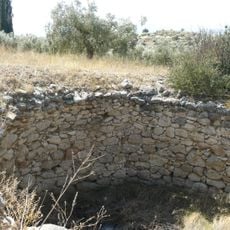
An ancient water cistern at the base of the rock still exists today and once supplied the medieval settlement surrounding the monastery. This feature shows how inhabitants managed their daily needs in this remote location.
The community of curious travelers
AroundUs brings together thousands of curated places, local tips, and hidden gems, enriched daily by 90,905 contributors worldwide.