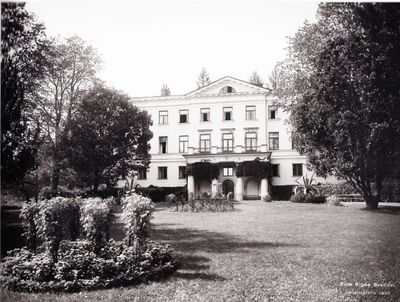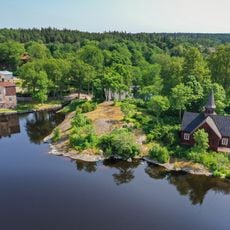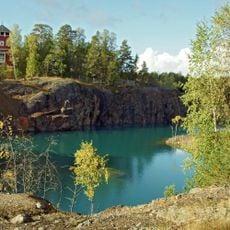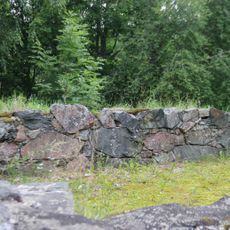
Fiskars bruk, Industrial heritage site in Raseborg, Finland.
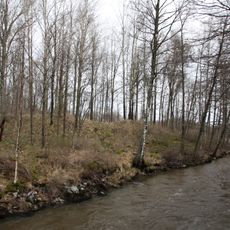
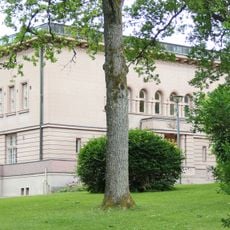
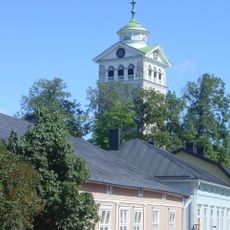
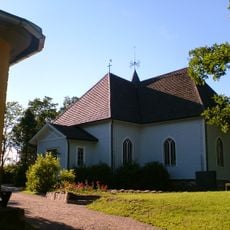
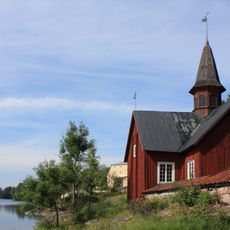
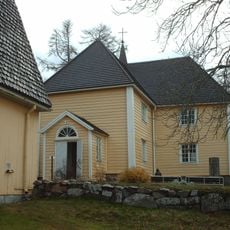
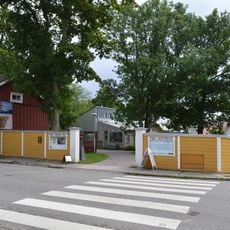
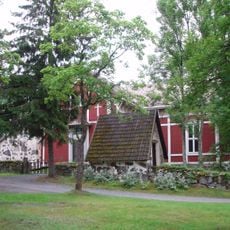
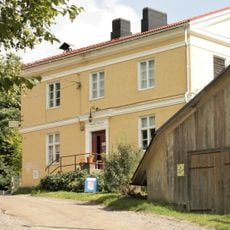
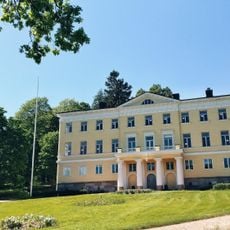
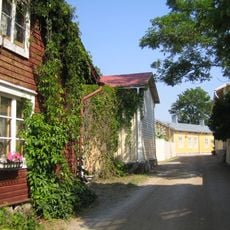
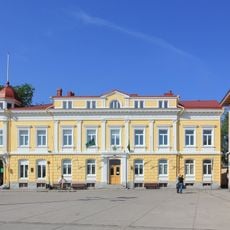
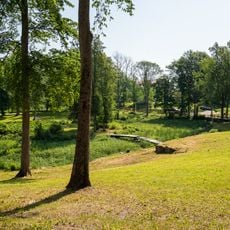
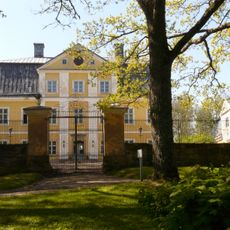
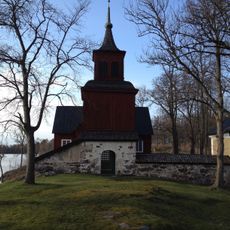
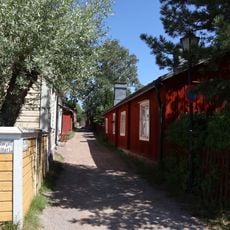
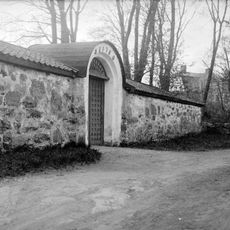
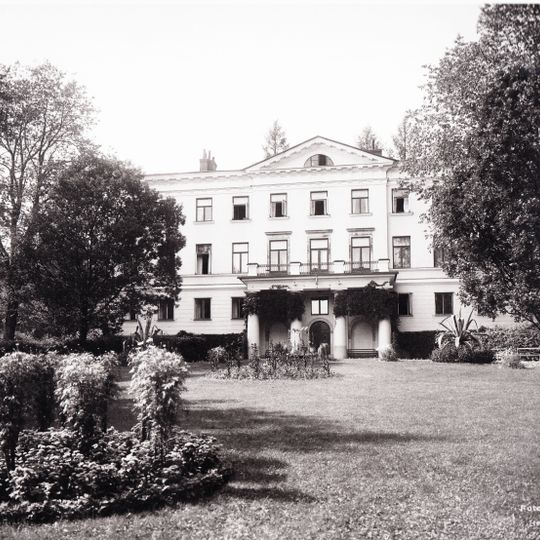
Fiskars bruk is a former ironworks village with historic wooden buildings, including the Assembly Hall, Fiskars Wärdshus inn, and a Clock Tower with a Finnish-made timepiece from 1842. The settlement spreads along a stream and retains its original layout with separate buildings for workshops, residences, and offices arranged in a compact arrangement.
The ironworks were founded in 1649 by Dutch merchant Peter Thorwöste and powered by water from the river to produce nails, wire, knives, and reinforced cartwheel bands. The operation continued for over three centuries until industrial production gradually declined in the twentieth century.
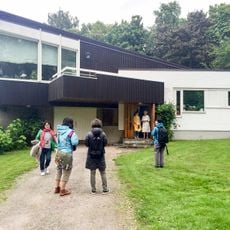
The industrial complex now serves as a creative hub where artists and designers run studios and shops year-round. This transformation has turned the old manufacturing village into a place where people gather to see handmade objects and learn traditional crafts.
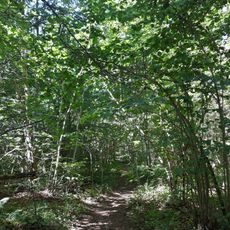
The site is accessible year-round with hotels and an information center offering details about the industrial history and current events. Visitors should wear sturdy shoes as walkways can be uneven, and good planning helps since it sits in a rural location away from main towns.
A narrow-gauge railroad connected the works to Pohjankuru harbor from 1891 to 1952, moving manufactured goods directly to ships. This small railway was vital for decades and remains a striking example of how the village once moved its products to distant markets.
The community of curious travelers
AroundUs brings together thousands of curated places, local tips, and hidden gems, enriched daily by 90,900 contributors worldwide.