Great Hungarian Plain, Geographic region in eastern Hungary and western Romania
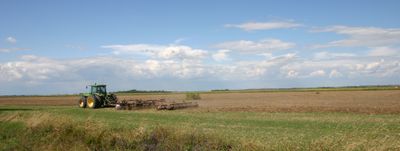
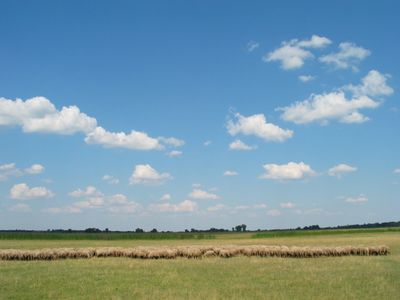
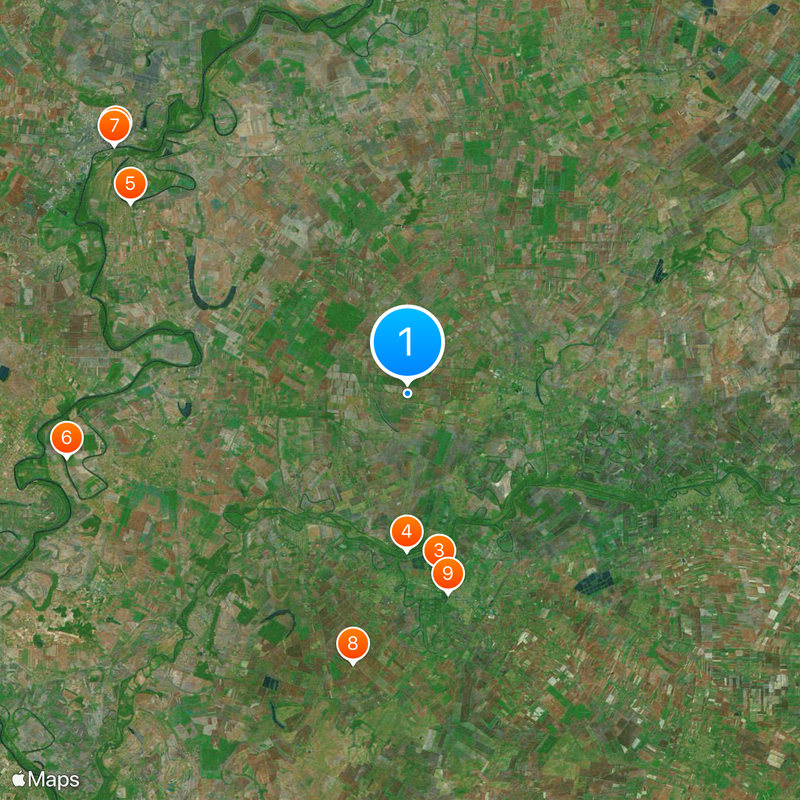
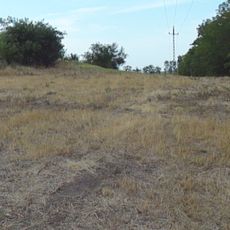
The Great Hungarian Plain stretches across eastern Hungary and western Romania as a flat expanse with sandy-loamy soils and rivers winding through the terrain. The relief stays low throughout, allowing long views to the horizon interrupted only by scattered tree clusters and farmsteads.
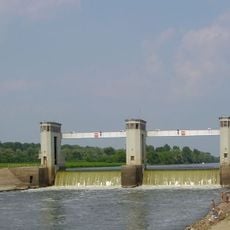
After the retreat of the Pannonian Sea several million years ago, deposits remained that were later carved by rivers. During the Middle Ages, migrant herders shaped the territory before drainage projects and dam construction in the 19th century altered the water landscape.
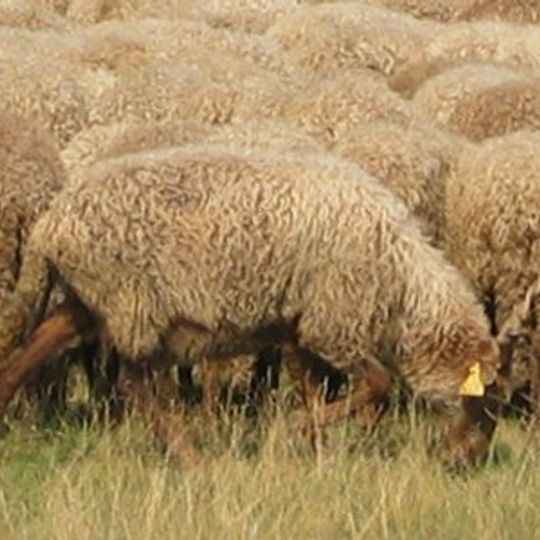
The open fields go by the name puszta, a word travelers instantly connect with grassland and grazing herds. Around the farmsteads stand sweep wells with long wooden arms that lift groundwater to the surface, still shaping the look of the countryside today.
Visitors should keep in mind that distances between settlements can be large and that the terrain offers little natural shade. During summer months, sun protection is recommended, while spring and autumn bring comfortable weather for longer stays outdoors.
During dry summers, white patches appear on the ground where salts rise to the surface and form crusts. These salt spots host plants that normally grow only along seacoasts, even though the nearest sea lies far away.
The community of curious travelers
AroundUs brings together thousands of curated places, local tips, and hidden gems, enriched daily by 60,000 contributors worldwide.