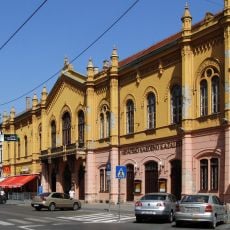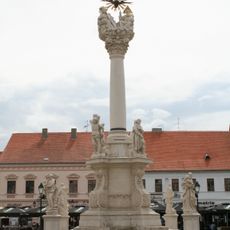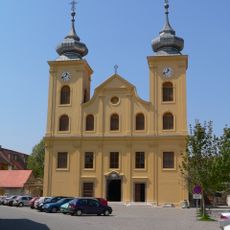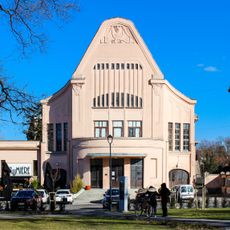
Museum of Slavonia, Regional museum in Tvrđa district, Osijek, Croatia
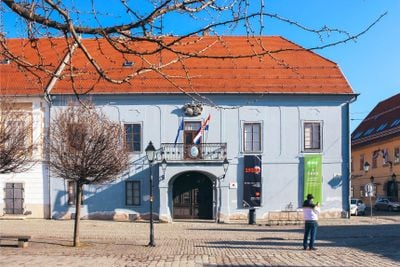
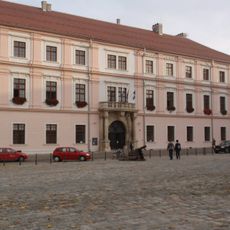
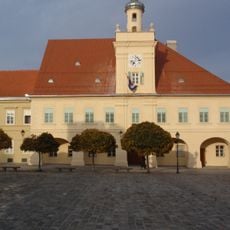
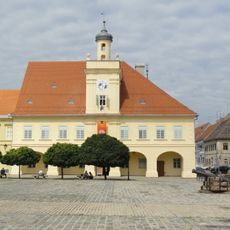
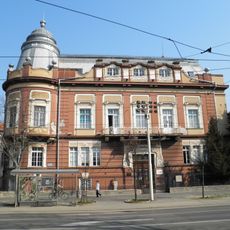
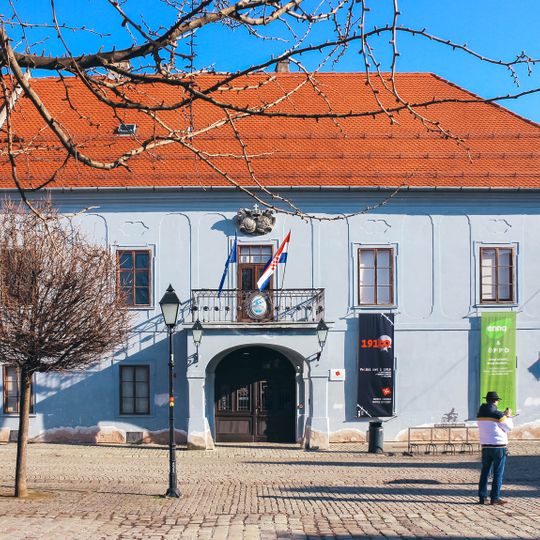
The Museum of Slavonia has been housed since 1946 in the former City Magistrate building in Tvrđa, a Baroque structure built in 1702 for the Vienna Chamber, town government and police. Its holdings number about 300,000 items in 116 collections, with the Roman Mursa and numismatic collections the most prized; the museum library holds over 70,000 books.
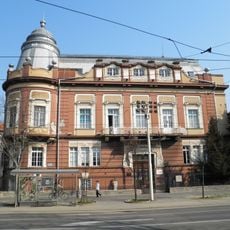
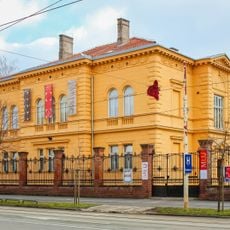
The museum was founded in 1877 as the Museum of the Free and Royal City of Osijek, built on a donation of over two thousand coins, weapons and medals from merchant Franjo Sedlaković. It moved several times, including to the Royal Realgymnasium in 1888, before settling in 1946 in the former City Magistrate building, constructed in 1702. During the Croatian War of Independence the museum buildings were badly damaged, though the collections suffered no major losses.
The museum's name comes from Slavonia, the region it documents. Its library holds the Essekiana collection, printed material tracing Osijek's history from the beginnings of printing there, including its multi-ethnic and multilingual past. Since 1942 the museum has published the Osječki zbornik, a journal on local history.
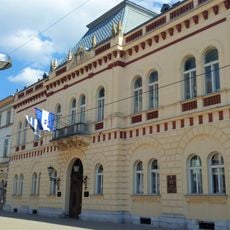
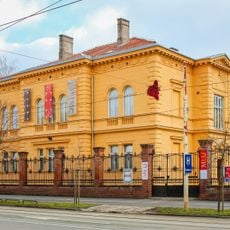
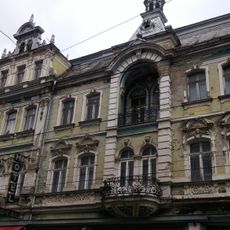
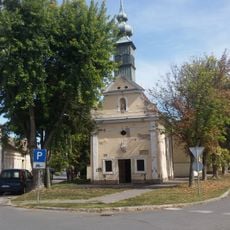
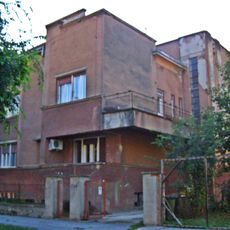
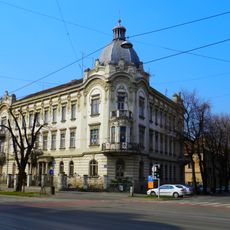
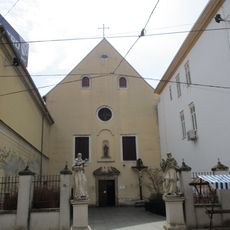
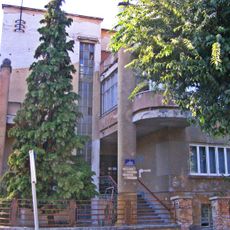
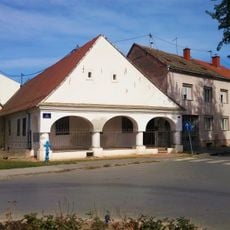
The museum has no permanent exhibition; displays are staged as temporary exhibitions across six locations in the city, so check which venue is showing what before setting out. The main seat since 1946 is the former City Magistrate in Tvrđa, a Baroque building from 1702. The museum library, Croatia's largest museum library with over 70,000 books, holds the Essekiana local collection.
The museum's founding collection came from Franjo Sedlaković, a wealthy Osijek merchant and antiquities collector who donated over two thousand coins, weapons and medals; they were first shown in two display cases in the city council chamber. The numismatic holdings are now among the museum's most prized.
The community of curious travelers
AroundUs brings together thousands of curated places, local tips, and hidden gems, enriched daily by 94,661 contributors worldwide.