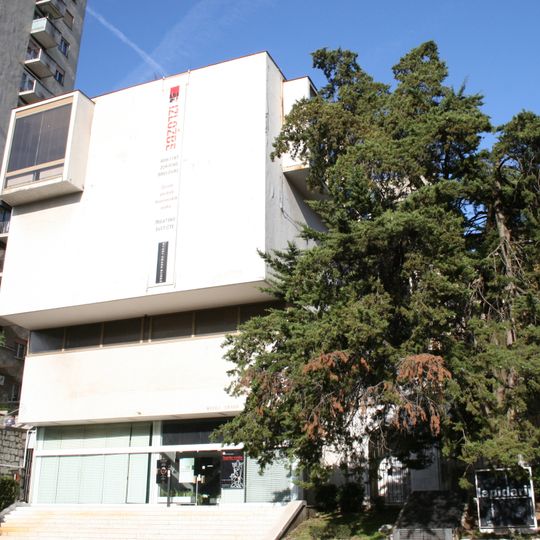
Rijeka City Museum, museum in Croatia
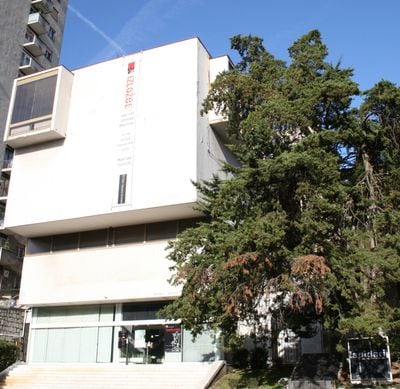
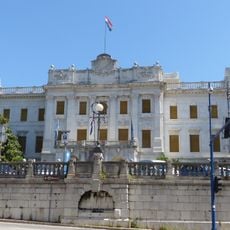
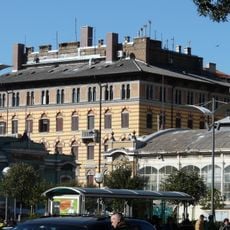
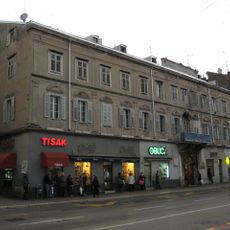
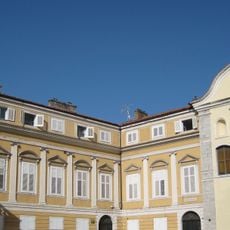
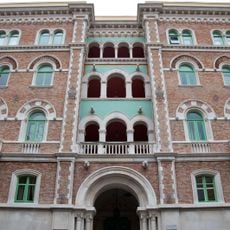
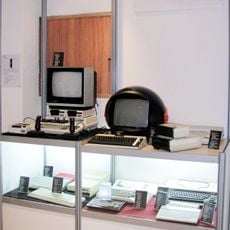
The Rijeka City Museum is housed in the Sugar Palace, a large Baroque building from the late 18th century that originally served as the headquarters of a sugar refinery. The exhibition spans two floors and presents the city's history from the 18th century to today through photographs, documents, and objects that explore economy, politics, culture, and industry.
The sugar refinery began operations in 1750 and made Rijeka an important industrial center until it closed in 1828. Afterward, other industries occupied the building, including a major tobacco factory and later the Rikard Benčić engine factory, which continued to shape the city's development.
The museum occupies the Sugar Palace, a Baroque building that once served as a sugar refinery and reflects Rijeka's connections to trading partners across Europe and beyond. Since becoming a free royal port in 1719, the city developed relationships with Vienna, Antwerp, Budapest, Rome, and New York, stories told through the objects and documents on display.
The museum is open Tuesday through Saturday from 11 am to 6 pm and closed on Sundays and Mondays. Children under 7 years old and certain other groups receive free entry, while others pay a small admission fee.
The museum also features the history of the ship Galeb, which served as a training vessel for the Yugoslav Navy and later became the personal boat of Yugoslav leader Josip Broz Tito, who used it for a 1953 trip to London. Today, most of the ship functions as a museum while sections serve as a restaurant, cafe, and hostel.
The community of curious travelers
AroundUs brings together thousands of curated places, local tips, and hidden gems, enriched daily by 92,569 contributors worldwide.