Buda Protected Landscape Area, Protected landscape area in the Buda Hills, Budapest, Hungary
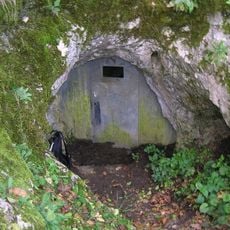
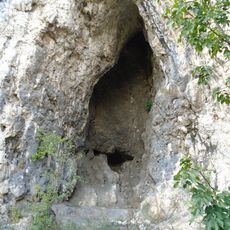
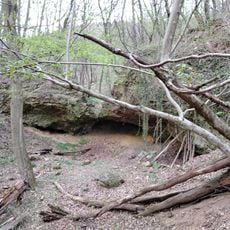
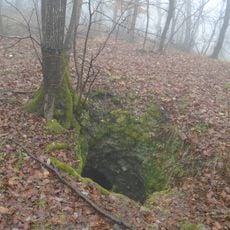
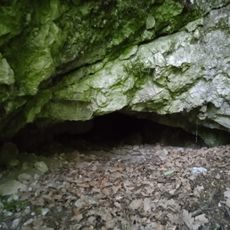
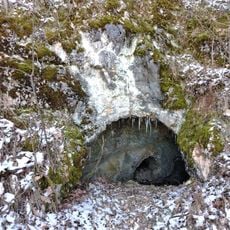
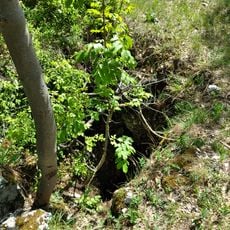
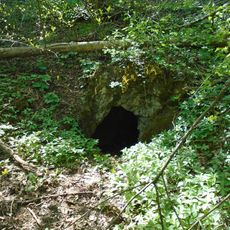
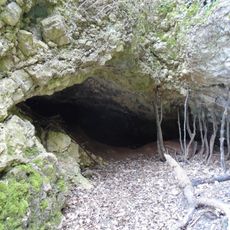
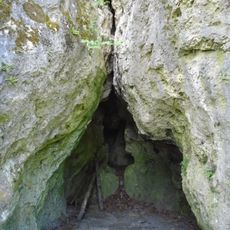
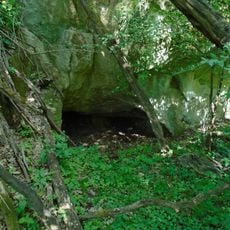
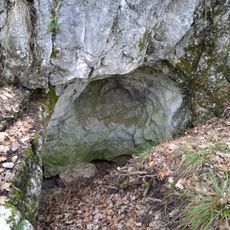
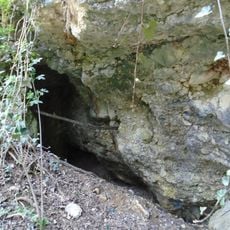
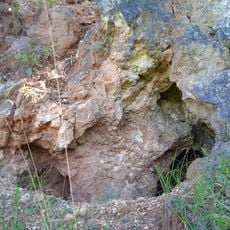
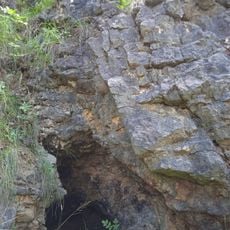
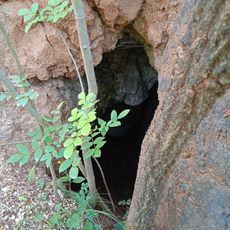
The Buda Protected Landscape Area is a 10,528-hectare protected area established in 1978 in the Buda Hills, managed by Duna-Ipoly National Park. Its characteristic rock is porous spring limestone, which fosters cave formation; about 160 caves are recorded, with the largest beneath Rózsadomb. Only the Pál-völgyi cave system, the Szemlő-hegyi cave and part of the Buda Castle Cave are open to visitors.
The area received protection status in 1978 to preserve natural ecosystems and geological features as the Budapest metropolitan region expanded. This designation responded to growing concerns about protecting nature amid increasing urban development.
The area is managed by the Duna-Ipoly National Park, which oversees the dolomite caves and wooded hills of the Buda range. Since 2004 the landscape has been part of the Natura 2000 network under the name Budai-hegység, with 12 habitats and 32 species of community interest. Visitors can enter the developed sections of the Pál-völgyi cave system and the Szemlő-hegyi cave.
The area is well-served by walking paths and easily accessible from the city, making it suitable for day trips or regular outings. Most trails are well-maintained and accommodate different fitness levels, allowing visitors to set their own pace.
The Pilis flax (Linum dolomiticum) grows in only one place in the world: the Szénás hill group within the protected area. Twelve caves are strictly protected, but only the Pál-völgyi cave system, the Szemlő-hegyi cave and part of the Buda Castle cave are open to visitors.
The community of curious travelers
AroundUs brings together thousands of curated places, local tips, and hidden gems, enriched daily by 94,553 contributors worldwide.