Solymár Cave, Cave system in Solymár, Hungary
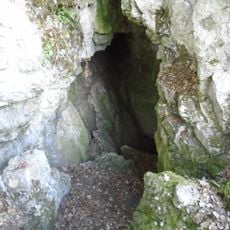
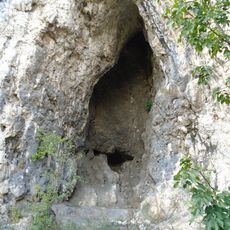
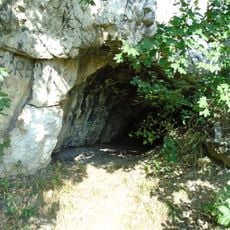
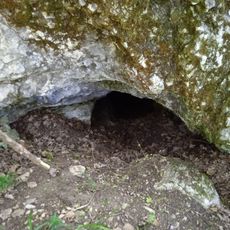
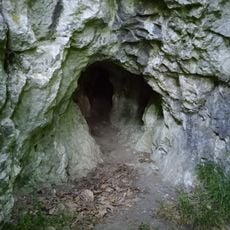
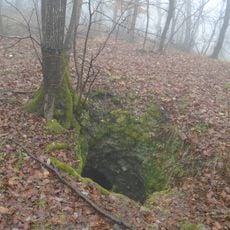
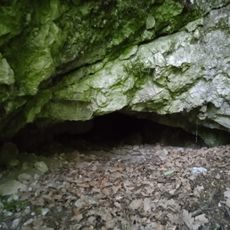
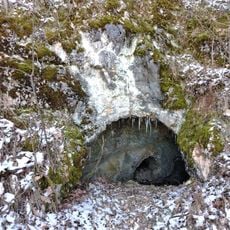
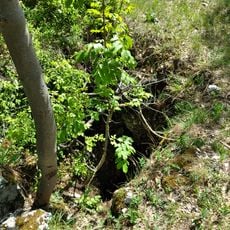
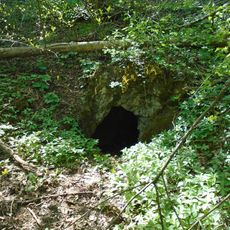
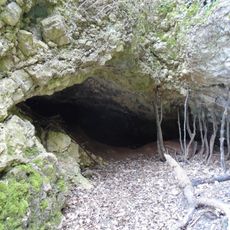
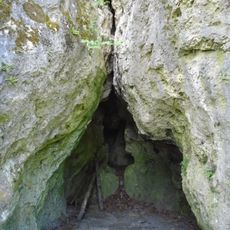
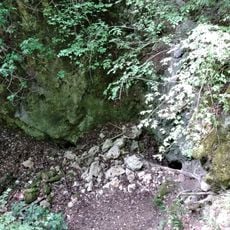
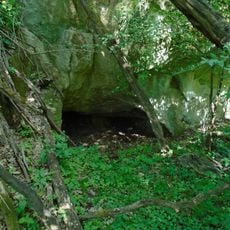
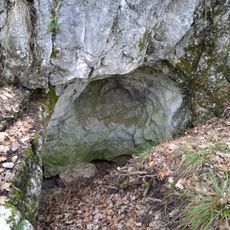
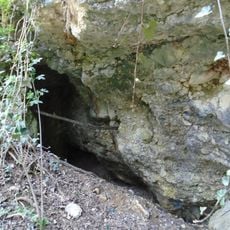
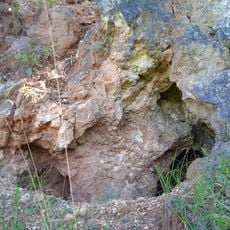
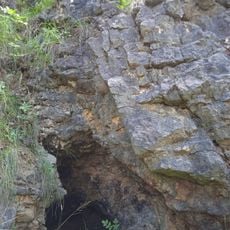
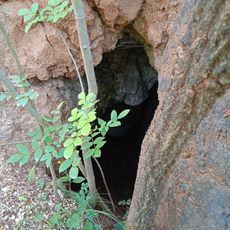
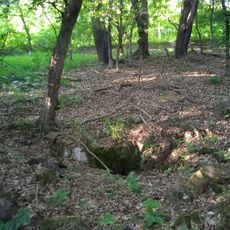
Solymár Cave (Solymári-ördöglyuk) opens on the northeast side of the Zsíros-hegy group in the Budai Mountains at 348 m above sea level, a few metres above the rim of a large quarry abandoned in the early 20th century. Its main entrance is an almost round opening over 1.5 m wide facing east; the smaller vaulted Pipa entrance lies 70 m to the northwest. The passages cut into Triassic Dachstein limestone form a three-dimensional labyrinth of narrow, high corridors, tight linking passages, chambers at fissure crossings and vertical sections, with spherical pockets in the upper parts.
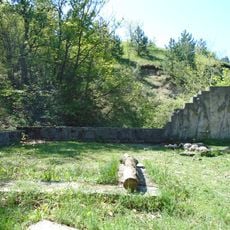
The cave was long thought to be a sinkhole, but studies in the 1950s established its thermal-water origin. Its passages formed in Triassic Dachstein limestone, possibly during the Pliocene or Pleistocene, half a million to a million years ago. Around 1900 a foreign company mined guano here by the ton, and after World War II an estimated 75 m³ remained. The Rókalyuk entrance, opened in the 1950s, was sealed with concrete in the 1970s because of collapse risk.
The cave's Hungarian name, Solymári-ördöglyuk, means "Devil's Hole of Solymár," and it appears in old writings under many variants, including Teufels-Höhle and Vörösvári-barlang. Around 1900 a foreign company leased the cave and extracted guano by the ton with large machines to improve soils; after World War II about 75 m³ of usable guano remained. Bat bones found in the guano show that greater horseshoe and long-fingered bats once lived here in large numbers.
Both walkable entrances are locked; the key and a visiting permit are issued by the Duna–Ipoly National Park Directorate. The lower section from the main entrance to the Pihenő resting point is easy, needs only a light, and takes about 20 minutes. Beyond it, basic caving equipment is required, and the route through to the Pipa exit takes about 1 hour.
The cave system has three distinct entrances, including the primary opening facing east and two smaller passages called Pipa and Rókalyuk. These multiple access points allow visitors to explore different paths through the underground network.
The community of curious travelers
AroundUs brings together thousands of curated places, local tips, and hidden gems, enriched daily by 93,912 contributors worldwide.