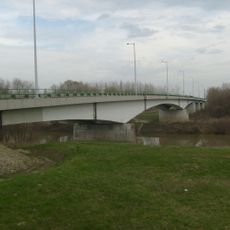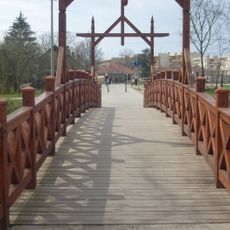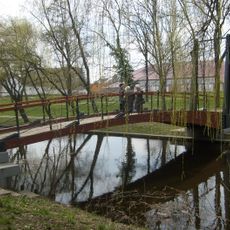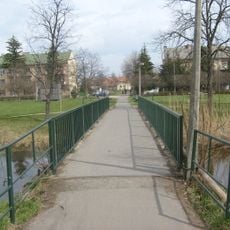
Körös-Maros National Park, National park in southeastern Hungary
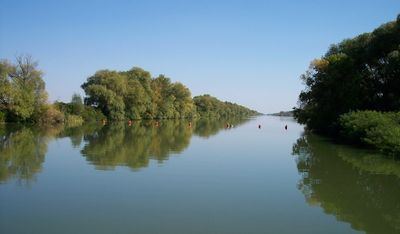
Körös-Maros National Park, founded in 1997, covers 501.34 km² in Békés county on the Southern Great Plain, with its directorate in Szarvas. It is divided into two parts of different character: the Körös region and the Békés-Csanád loess ridge. Its units include the Dévaványa-Ecseg plains, the Körös floodplain, Cserebökény, the Biharugra fishponds and Bélmegyer's Fás-puszta.
The protected area was founded in 1997 as the seventh national park in Hungary, bringing together earlier initiatives from the eighties. The beginnings of nature protection in this region lie in efforts to preserve the southern Trans-Tisza area.
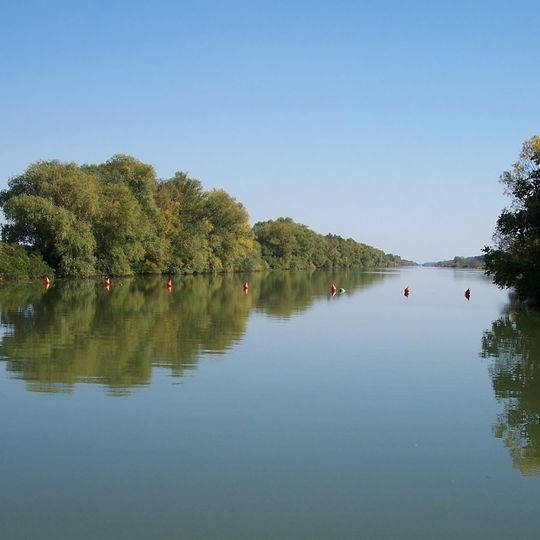
The Körös and Maros rivers give the park its name, but the Maros itself lies outside the park boundary; the protected units follow the Körös floodplain and the Békés-Csanád loess ridge. The Körös floodplain is worked as a mosaic of oxbow lakes, meadows and orchards, and the name Nagy-Sárrét recalls the marsh drained in the 19th century. At Dévaványa the bustard reserve, founded in 1975, shapes local farming: crops are planted and harvested to leave nesting and feeding cover for the birds.
The observation stations at Kardoskút White Lake offer good vantage points for seeing migratory birds such as cranes and wild geese in spring and autumn. Binoculars and weatherproof clothing are helpful, as the open areas are exposed to wind.
The Fás-puszta section near Bélmegyer preserves the last saline oak forests in Hungary, a rare habitat shaped by underground salt deposits. In these trees a heron colony has been breeding for over a hundred years, returning each season.
The community of curious travelers
AroundUs brings together thousands of curated places, local tips, and hidden gems, enriched daily by 94,302 contributors worldwide.