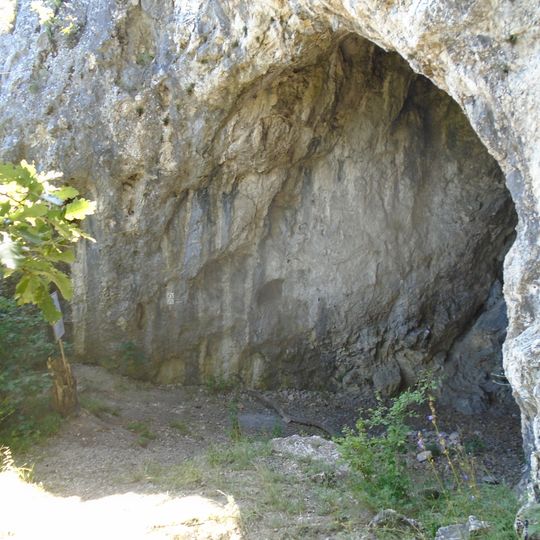
Pilisszántó Cave, cave in Pilisszántó, Hungary
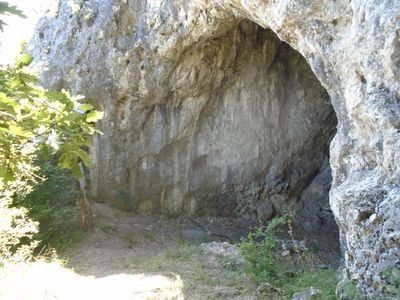
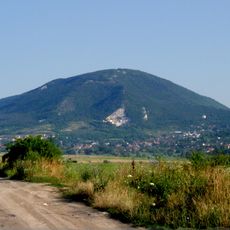
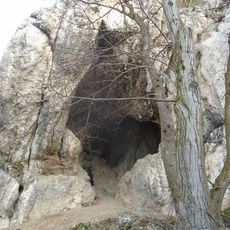
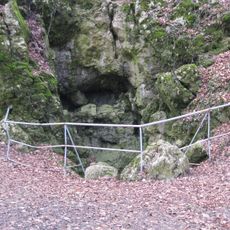
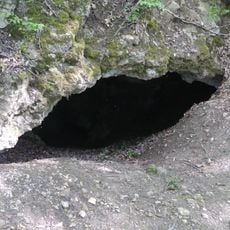
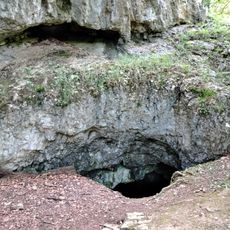
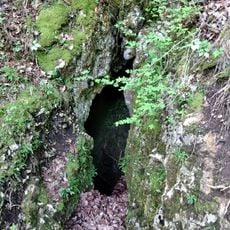
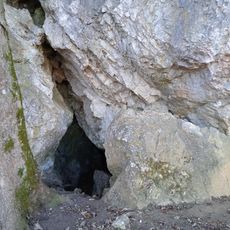
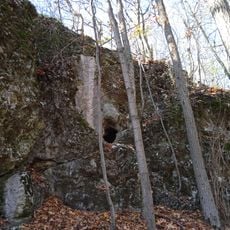
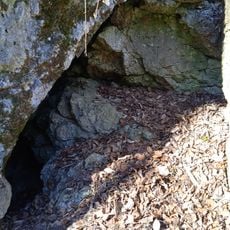
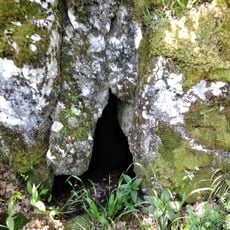
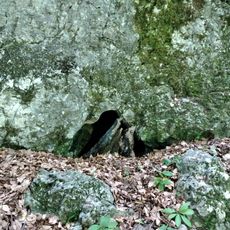
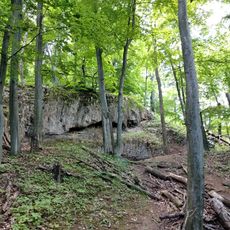
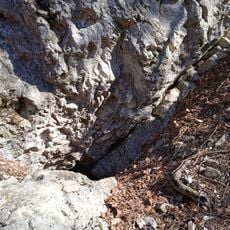
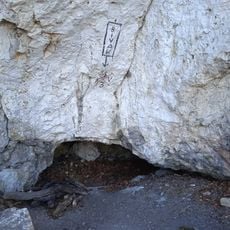
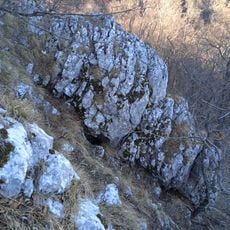
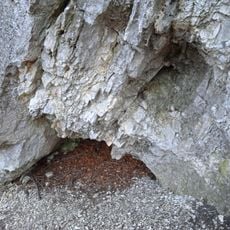
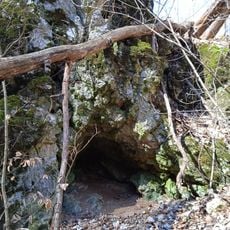
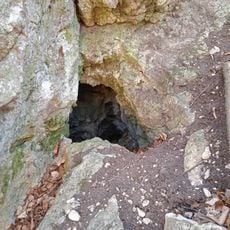
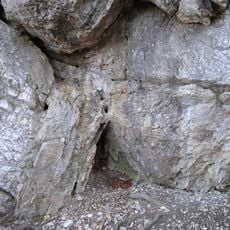
Pilisszántó Cave is an inactive spring cave formed in Triassic Dachstein limestone on the southeastern rock face of Pilis-tető, above the Orosdy mansion. It consists of a single large chamber, about 8 m long and 8 m wide, with a high entrance facing east. Excavations by Ottokár Kadić in 1912 and Tivadar Kormos in 1914–1915 took place inside this chamber.
The cave has been used by people since prehistoric times, as shown by archaeological discoveries of tools and animal bones inside. These findings indicate it served as a shelter and hunting site for early inhabitants of the region.
The cave draws hikers and local visitors who see it as a natural waypoint within the Pilis Mountains landscape. People use the trails leading to it as a connection between the village and the surrounding forest paths.
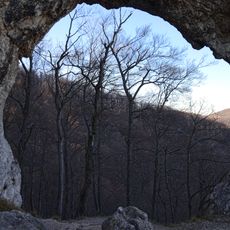
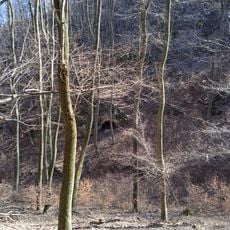
The cave lies above the Orosdy-kastély on the southeastern rock face of Pilis-tető, outside Pilisszántó, at 423 m above sea level. It can be visited without a permit or caving gear, but the large entrance opens onto a single 8 m long, 8 m wide hall. Tourist maps mark it by name and cave symbol.
Besides the Pilisszántó Cave, wolverine bones have been found in only seven other Hungarian caves, among them the Király-kúti-zsomboly, the Remete-barlang and the Suba-lyuk. Excavations here also yielded 36,000 bird bones and 8,000 mammal bones, mostly from small animals that owls carried into the shelter.
The community of curious travelers
AroundUs brings together thousands of curated places, local tips, and hidden gems, enriched daily by 94,141 contributors worldwide.