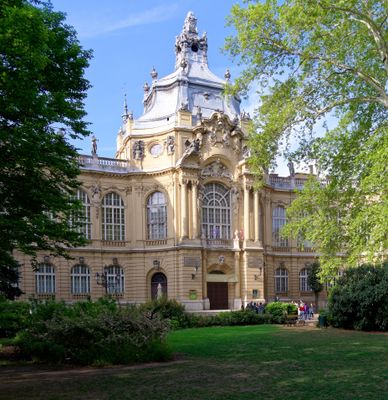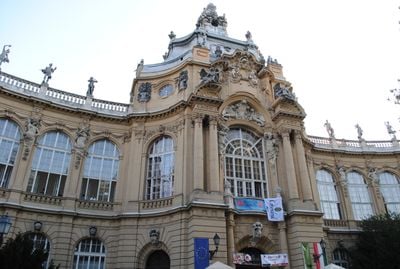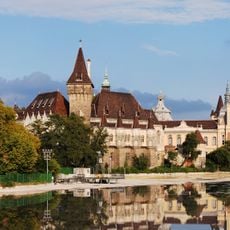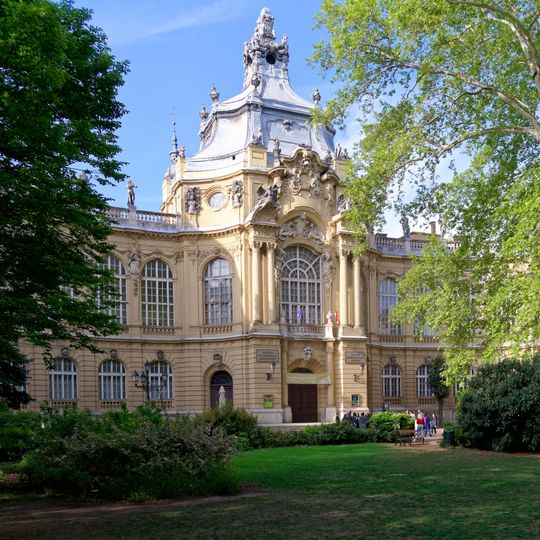
Museum of Hungarian Agriculture, Agricultural museum in Vajdahunyad Castle, Budapest, Hungary.
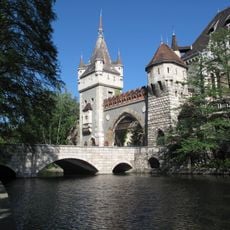
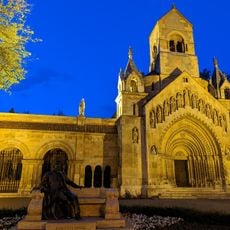
The Museum of Hungarian Agriculture is an agricultural museum located within Vajdahunyad Castle in Budapest and houses extensive collections of farming tools, machinery, and documents. The exhibition spans different periods of Hungarian farming and demonstrates how techniques and equipment evolved over the centuries.
The museum's founding document was signed on 20 June 1896 by agriculture minister Ignác Darányi, and it opened on 12 September 1897 in Alpár Ignác's temporary millennium exhibition building. That structure was closed as unsafe in 1899 and demolished; the museum moved to the Stern apartment block on Kerepesi (now Rákóczi) Road. Rebuilt in solid materials and completed in 1908, Vajdahunyad Castle became its permanent home.
The museum displays traditional farming methods and livestock practices that shaped Hungarian agriculture across generations. Visitors can observe how farmers once worked and which animals and plants were important in different regions.
The museum is located in City Park and is accessible by public transport, though parking nearby is limited. Plan to spend roughly two to three hours if you want to see the exhibitions at a comfortable pace.
A special section of the museum is the Hall of Hunting, which displays hundreds of antlers and taxidermied animals beneath vaulted ceilings. This space with its colored glass windows reveals a different aspect of rural life that many visitors overlook.
The community of curious travelers
AroundUs brings together thousands of curated places, local tips, and hidden gems, enriched daily by 92,613 contributors worldwide.