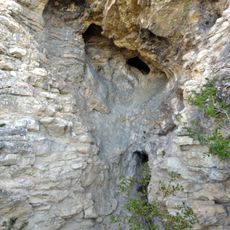
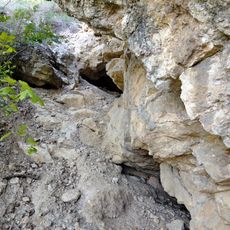
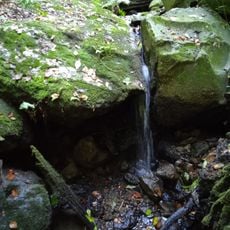
Naszályi Sinkhole, Natural cave formation in Vác, Hungary.
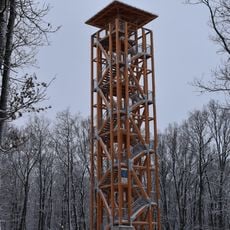
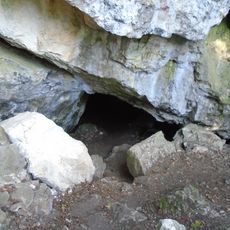
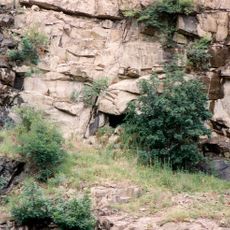
The Naszályi Sinkhole opens in a 100-metre-long, 30-metre-wide sinkhole on the Naszály ridge, about 700 metres northwest of the geodetic measuring tower. It formed in Triassic limestone and holds helictites and dissolved forms such as sinlők (rock shelves). Its passages alternate between narrow, rubble-strewn squeezes, wide chambers and steep sections.
The sinkhole was discovered in 1949 by Tibor Gánti and László Bánhidi. In 1952, students of the Vác secondary school excavated it under the direction of László Bánhidi and Tibor Joó, naming it Szinlő-barlang; it was then known to be 120 m long and 60 m deep. In 1974, work by the Vörös Meteor and Viktória caving groups reached a depth of 165 m. It has been a nationally significant cave since 1976 and was first called Naszályi-víznyelőbarlang in a 1977 publication by László Kordos.
The cave's name in literature shifted over time: it was first called Szinlő-barlang after its 1952 exploration by Vác secondary school students, and only in 1977 did Kordos László publish the name Naszályi-víznyelőbarlang. The Cserhát's three strictly protected caves all begin with "N": this one, the Nézsai-víznyelőbarlang and the Nincskegyelem-aknabarlang.
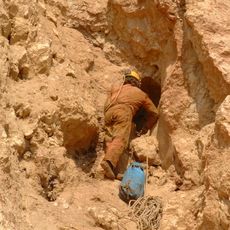
Access requires specialized equipment and experienced guides due to the steep vertical walls and depth of the shaft. Visitors should be aware this is not a casual visit but demands serious preparation and climbing skills.
The cave shelters the country's largest colony of lesser horseshoe bats, which spend their rest period here, so entry is barred in winter. Its passages also host troglobionts, true cave-dwelling creatures adapted to life in darkness.
The community of curious travelers
AroundUs brings together thousands of curated places, local tips, and hidden gems, enriched daily by 94,061 contributors worldwide.