Abaúj Castle, Medieval hillfort in Abaújvár, Hungary.
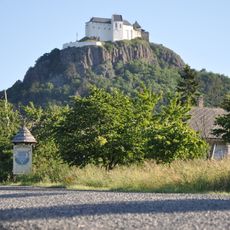
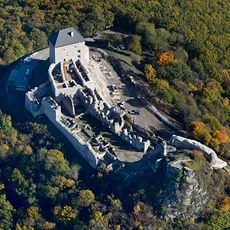
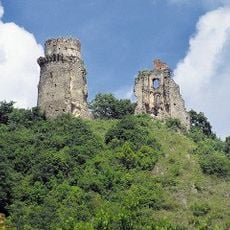
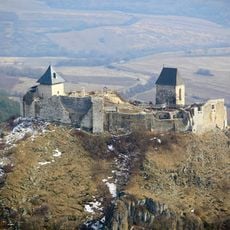
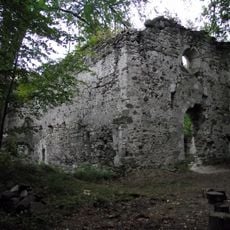
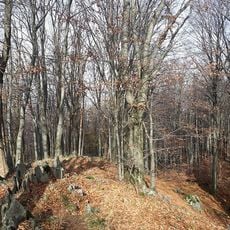
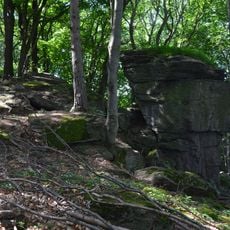
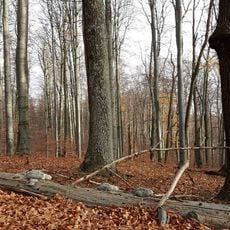
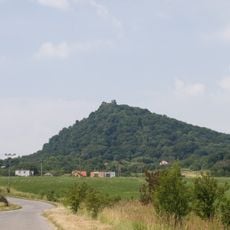
Abaúj Castle is a hilltop ruin in northeastern Hungary with stone walls and earthen ramparts still visible across the site. The fortification consists of several sections that reflect different periods of medieval construction and defense.
Archaeology dates the timber-and-earth rampart to the first half of the 11th century, built over the remains of a Roman-era settlement. The Képes Krónika credits King Aba Sámuel (1041–1044), who organised Abaúj county around the fort. In 1068 a border scout here, named Fanciska or Fantiska, reported the incursion of the Pecheneg leader Ozul to the king.
The fortress served as an administrative hub for centuries, with its name still reflected in the surrounding community today. Local residents maintain a connection to the site as part of their regional identity and medieval heritage.
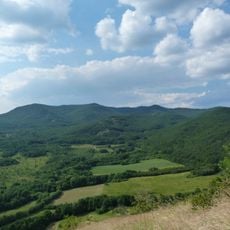
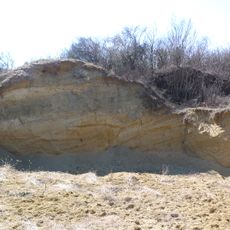
The fort sits on a separate hill by the Hernád, its rampart rising 3.5 to 4 metres on the inside. The single entrance opened on the eastern side, where a ditch once ran; it has since silted up. The inner area is farmed and only one house stands there, so expect uneven ground.
Excavations in 2019 uncovered a large palace building, probably from the 12th century, along with a hoard of coins and jewellery. The dig covered 2,270 m² and revealed 153 features. Finds from the earlier campaigns are kept in the Herman Ottó Museum in Miskolc.
The community of curious travelers
AroundUs brings together thousands of curated places, local tips, and hidden gems, enriched daily by 94,020 contributors worldwide.