Hollóháza Porcelain Manufactory, Porcelain manufacture in Hollóháza, Hungary.
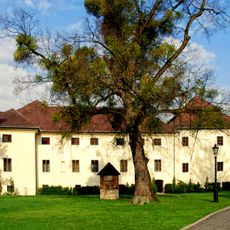
Hollóháza Porcelain Manufactory is a working porcelain factory in the small village of Hollóháza, in northern Hungary, producing tableware, decorative objects, and hand-painted pieces. The site includes workshops where each stage of the process, from shaping raw clay to firing and painting, takes place in dedicated rooms.
Count Mihály Károlyi converted the glassworks into a ceramic manufactory in 1831, using kaolin clay found nearby. Ferenc Istványi, tenant and ceramicist from 1860 to 1902, expanded the plant and exported to Bulgaria, Germany and Serbia, absorbing the Telkibánya works. After nationalisation in 1948 the factory was restricted to industrial porcelain such as electrical insulators until applied art returned in 1957.
Hollóháza porcelain has been a Hungarikum, a nationally protected product, since 2017. The manufactory's tableware, decorative plates, canteens, bowls and jugs are covered with hand-painted roses, wildflowers and colourful bouquets, a style carried on by decorators who pass motifs from hand to hand. Artists who have worked here include Katalin Gulyás, Miklós Faragó and Endre Szász.
The manufactory welcomes visitors into the workshops, where you can watch the production process and join classes to shape your own pieces. A shop on site sells finished works, and no advance booking is needed to browse or buy.
Between 1948 and 1957, the factory produced electrical insulators and other industrial ceramics, a period very different from its decorative work. This chapter in its history is rarely highlighted in the display areas, making it one of the less obvious things to discover during a visit.
The community of curious travelers
AroundUs brings together thousands of curated places, local tips, and hidden gems, enriched daily by 94,138 contributors worldwide.